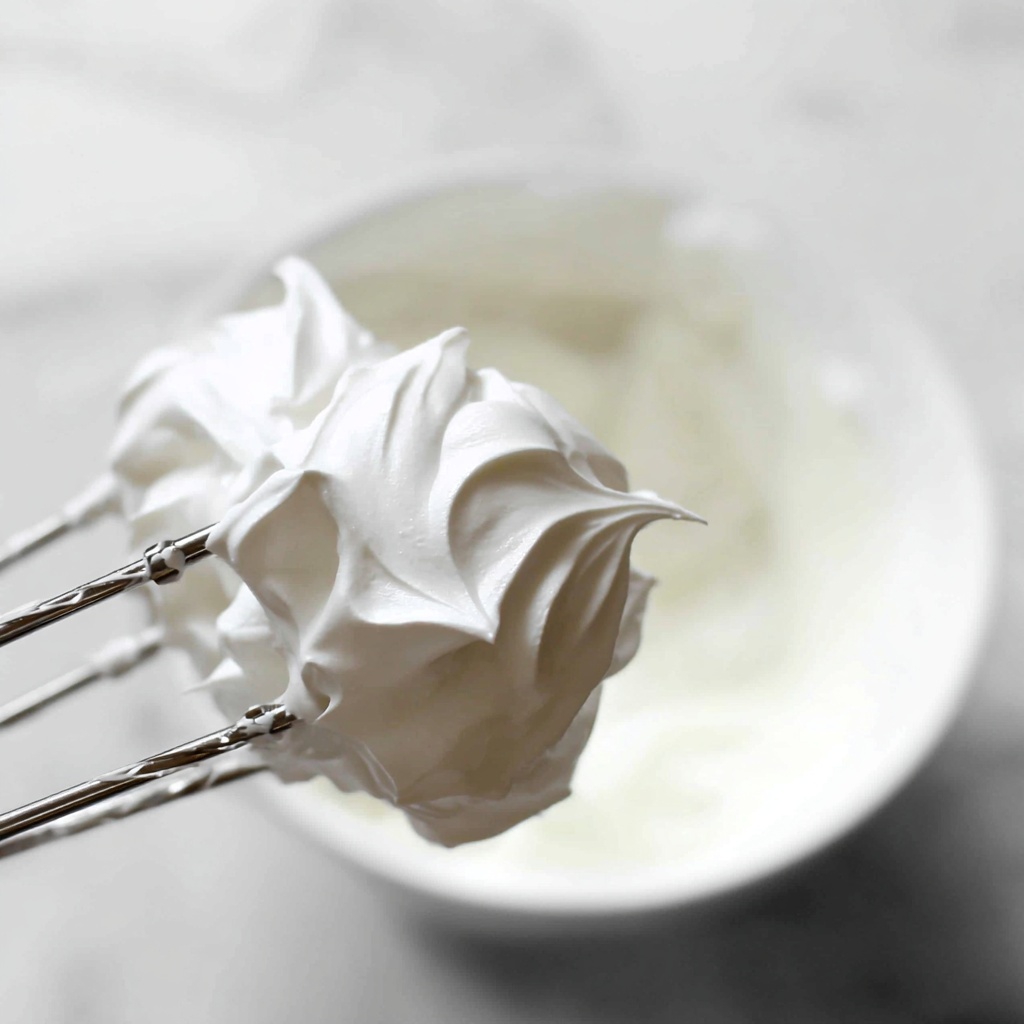
If you’ve ever wondered how to nail that glossy, cloud-like meringue without using eggs, you’re in for a treat with this Vegan Italian Meringue Recipe. It’s the perfect blend of silky texture and delicate sweetness, achieved entirely with aquafaba—a magical ingredient from chickpea water that whips up beautifully just like traditional egg whites. Whether you’re dairy-free, egg-free, or simply curious, this meringue will become your new favorite topping for cakes, pies, or even as a playful garnish.
Ingredients You’ll Need
These simple ingredients might seem humble, but together they create a spectacularly smooth and stable meringue that holds its shape beautifully. Each element is essential to achieving that perfect balance of sweetness, structure, and shine.
- Aquafaba (234 g): This chickpea cooking liquid whips into fluffy peaks, serving as the base of the meringue.
- Caster sugar (200 g): Fine sugar that dissolves quickly to add the perfect sweetness and structure.
- Water (60 ml): Helps to create the sugar syrup that stabilizes the meringue.
- Cream of tartar (¼ teaspoon): An acid that strengthens the aquafaba foam and keeps it stable.
How to Make Vegan Italian Meringue Recipe
Step 1: Reduce the Aquafaba
Start by pouring the aquafaba into a saucepan and bringing it to a boil. Then reduce the heat and let it simmer gently until it reduces to half a cup. This concentrates the proteins, which helps the meringue whip up with better volume and stability. Keep an eye on it and check after about five minutes – if it’s still too much, continue simmering. Once ready, cool it down in the fridge. This step is crucial for that light, airy texture you’re aiming for in this Vegan Italian Meringue Recipe.
Step 2: Whip the Aquafaba and Cream of Tartar
Grab a clean, dry bowl and pour in your cooled, reduced aquafaba. Add the cream of tartar and start whisking vigorously. After about 10 minutes, you’ll notice soft peaks beginning to form. This step is the foundation of your meringue’s body, ensuring it’s fluffy and stable enough to hold up under the hot sugar syrup.
Step 3: Make the Sugar Syrup
Combine the caster sugar and water in a saucepan, stirring gently until the sugar starts to dissolve into a thick paste. Now comes the key part: place the pan over medium-high heat and watch carefully without stirring. Using a candy thermometer, let the mixture simmer until it reaches 116°C (240°F). This precise temperature is what gives your meringue its silky texture and glossy sheen.
Step 4: Incorporate the Sugar Syrup
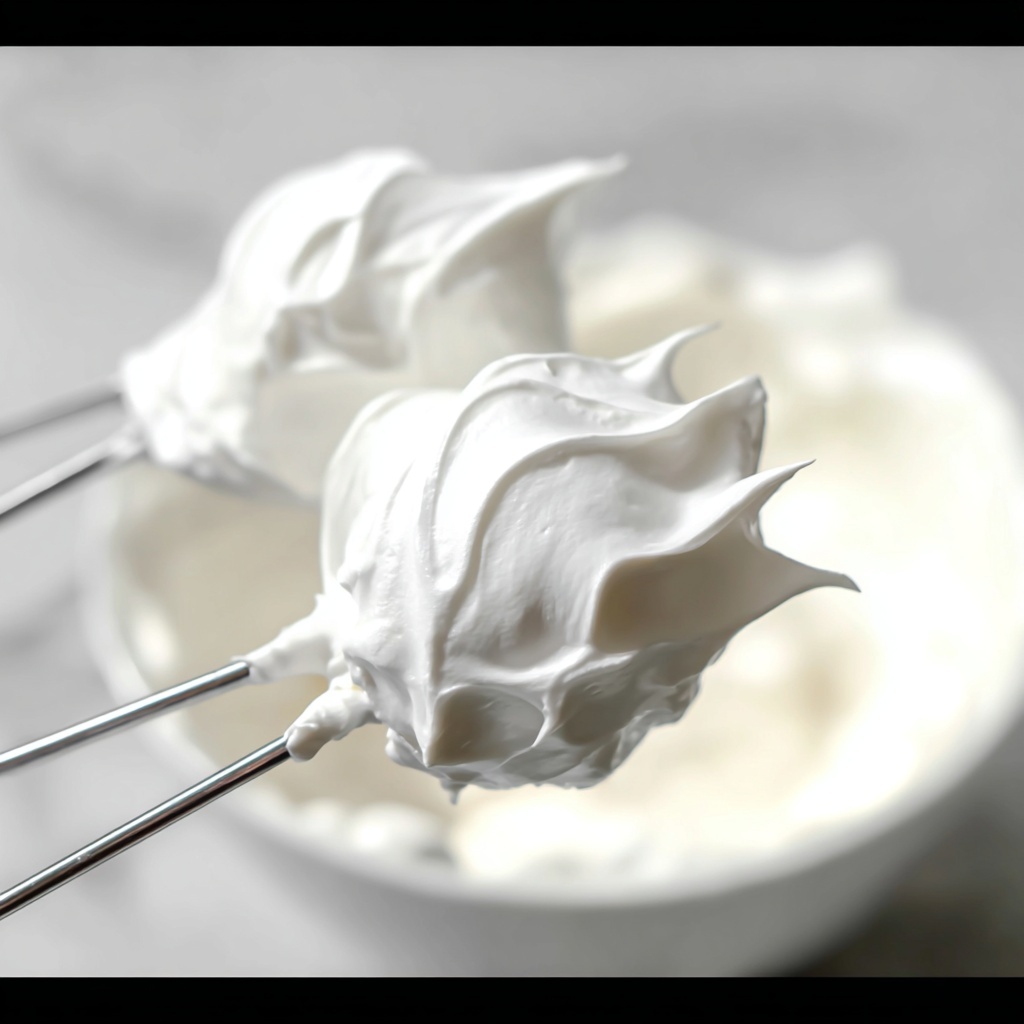
With your mixer running on medium speed, slowly drizzle the hot sugar syrup into the whipped aquafaba. Take your time here; adding it too quickly can deflate those delicate peaks. Keep whisking until the sugar syrup is fully incorporated, transforming the mixture into a smooth, glossy meringue full of volume.
Step 5: Final Whisk and Ready to Use
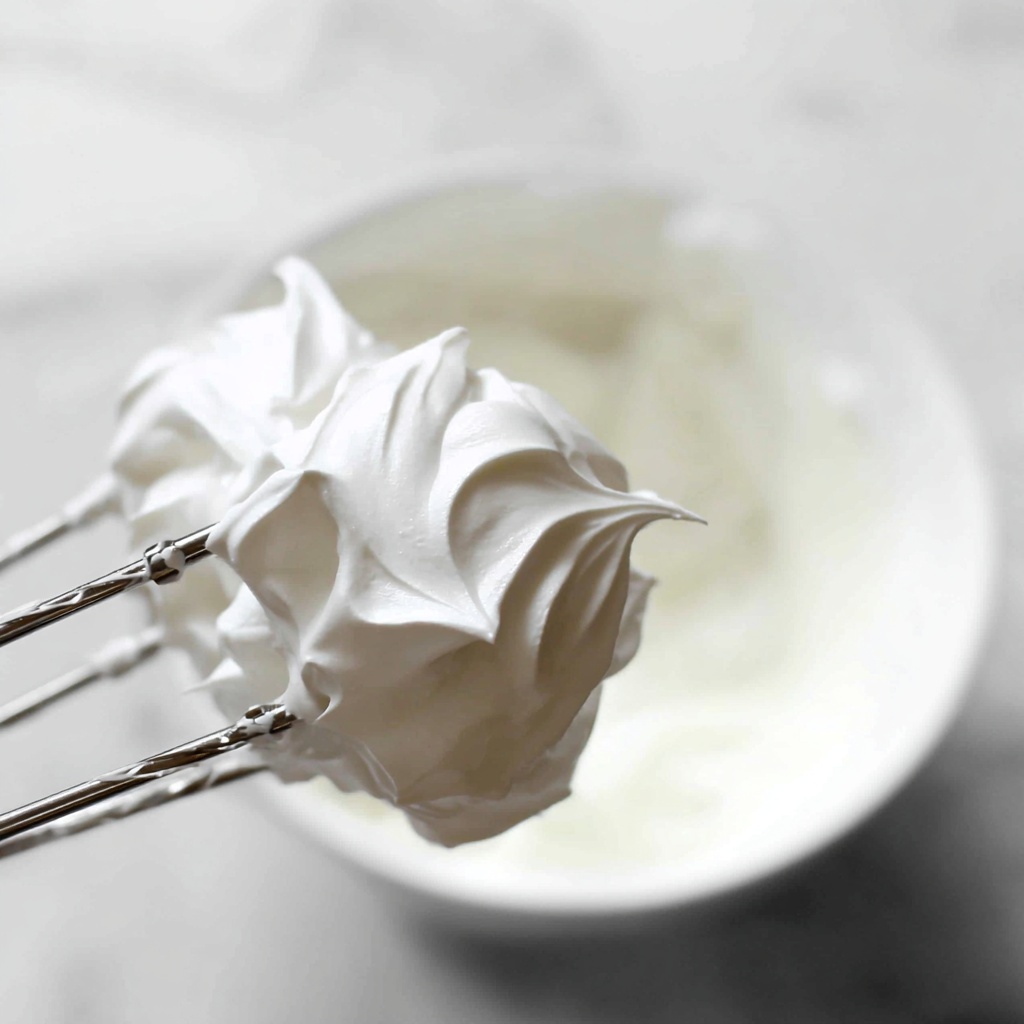
After the syrup is fully mixed in, continue whisking for another five minutes. This boosts the meringue’s stability and shine, ensuring it will hold up beautifully when piped or spread. Once done, transfer it to a piping bag with your favorite nozzle, and you’re ready to elevate any dessert with this lovely Vegan Italian Meringue Recipe.
How to Serve Vegan Italian Meringue Recipe
Garnishes
This meringue shines naturally, but you can jazz it up with some extra color and texture. Fresh berries, edible flowers, a sprinkle of toasted coconut, or a dusting of cinnamon add visual interest and a flavor boost. Lightly torching the peaks will give it that classic golden finish if you want to replicate the elegance of traditional Italian meringue.
Side Dishes
The airy nature of this meringue pairs wonderfully with rich, decadent desserts. Try it atop a tangy lemon tart, creamy vegan cheesecake, or alongside fresh fruit compote to add a playful contrast in texture and sweetness. It also complements warm chocolate brownies, making every bite a delightful experience.
Creative Ways to Present
Don’t limit yourself to just dollops or swirls! Use your piping bag to create intricate rosettes, nest shapes perfect for filling with berries, or even little meringue kisses baked until crisp for a decorative touch. Layering the meringue with fruit and vegan whipped cream makes for a stunning, no-bake trifle that’s sure to impress.
Make Ahead and Storage
Storing Leftovers
If you have any meringue left, store it in an airtight container in the refrigerator for up to 24 hours. Because this Vegan Italian Meringue Recipe is delicate, it’s best used fresh, but refrigeration helps maintain its texture for a short while.
Freezing
Freezing isn’t recommended for this meringue since its fluffy texture can be compromised as ice crystals form and damage the structure. Instead, enjoy it fresh or store in the fridge for a quick reuse.
Reheating
When ready to serve, you don’t need to reheat this meringue, but if you want a toasted finish, a quick pass under a kitchen torch or a very brief broil in the oven will add a lovely golden crust without affecting its soft interior.
FAQs
What makes aquafaba suitable for making meringue?
Aquafaba is essentially the cooking liquid from chickpeas, rich in proteins and starches that mimic the properties of egg whites, allowing it to whip up into airy foam perfect for meringues and other desserts.
Can I substitute caster sugar with another type of sweetener?
For best results, use caster sugar because of its fine texture and ability to dissolve completely in syrup. Granulated sugar may work but could result in a grainier texture; avoid powdered sugar or alternative sweeteners that won’t create the same glossy finish.
Why do I need to reduce the aquafaba before whipping?
Reducing the aquafaba concentrates its proteins and thickens the liquid, which leads to a meringue that whips faster, holds stronger peaks, and has a richer mouthfeel—essential for a successful Vegan Italian Meringue Recipe.
How stable is this vegan meringue compared to traditional egg white meringue?
When made correctly, this Vegan Italian Meringue Recipe is surprisingly stable, holding its peaks well enough to pipe or spread. It’s perfect for frosting and garnish, although it doesn’t dry out as hard as classic egg-based meringue.
Can I use this meringue for baking into cookies or pavlovas?
This Italian-style vegan meringue is best used fresh as a topping or decoration because it remains soft and glossy. For baking crispy meringue cookies or pavlovas, aquafaba meringue simple recipes that are baked at low temperatures without hot syrup are a better choice.
Final Thoughts
Diving into this Vegan Italian Meringue Recipe is like unlocking a new world of dessert possibilities, especially if you’re steering clear of eggs but crave that classic, fluffy meringue goodness. It’s fun, rewarding, and surprisingly simple once you know the steps. So go ahead, whip up a batch and watch your favorite desserts transform into dreamy, elegant treats that everyone will adore.
Print
Vegan Italian Meringue Recipe
- Prep Time: 5 minutes
- Cook Time: 25 minutes
- Total Time: 30 minutes
- Yield: 12 servings
- Category: Dessert Topping
- Method: Stovetop
- Cuisine: Italian
- Diet: Vegan
Description
This Vegan Italian Meringue recipe uses aquafaba, the liquid from cooked chickpeas, as a plant-based alternative to egg whites. Its silky texture and glossy finish make it perfect for topping desserts like brownies and Baked Alaska without compromising on flavor or appearance. The method involves reducing aquafaba, whipping it with cream of tartar, and incorporating hot sugar syrup to create a stable, fluffy meringue that’s entirely vegan and versatile.
Ingredients
For the Vegan Italian Meringue
- 234 g aquafaba (liquid from cooked chickpeas, see notes)
- 200 g caster sugar
- 60 ml water
- ¼ teaspoon cream of tartar
Instructions
- Reduce Aquafaba: Pour the aquafaba into a saucepan and bring it to a boil. Reduce the heat and let it simmer until the volume reduces to half a cup, approximately 5 to 10 minutes. Check the volume periodically by pouring into a measuring cup. Once reduced, transfer to a jar and refrigerate. This step can be done at least one hour ahead or the night before.
- Whip Aquafaba: Using a large, clean, and completely dry bowl, add the chilled reduced aquafaba and cream of tartar. Whisk on high speed for about 10 minutes until soft peaks form, indicating the aquafaba is aerated enough.
- Prepare Sugar Syrup: In a separate saucepan, combine the caster sugar and water. Stir gently to dissolve the sugar and allow it to form a syrup paste. Place over medium-high heat and bring to a simmer without stirring further.
- Cook Syrup to Soft Ball Stage: Attach a candy thermometer to the pan and continue to cook the syrup until it reaches 116°C (240°F). Keep the syrup simmering and do not stir to prevent crystallization. This usually takes about 10 to 12 minutes.
- Combine Syrup with Whipped Aquafaba: Slowly drizzle the hot sugar syrup into the whipped aquafaba while continuously whisking to incorporate it fully and stabilize the meringue.
- Final Whisk: Continue whisking the combined mixture for an additional 5 minutes until the meringue becomes glossy, thick, and holds firm peaks.
- Use or Store: Transfer the vegan Italian meringue into a piping bag fitted with your choice of nozzle. Use immediately as a topping for desserts such as brownies or baked Alaska, or store in an airtight container in the refrigerator for up to 24 hours.
Notes
- Aquafaba is the liquid from cooked chickpeas or other legumes and substitutes egg whites in vegan recipes.
- Make sure your mixing bowl and utensils are grease-free to achieve optimal whipping of aquafaba.
- Reducing aquafaba concentrates its proteins, resulting in a better volume and stability for the meringue.
- You can prepare the reduced aquafaba ahead of time and refrigerate it for convenience.