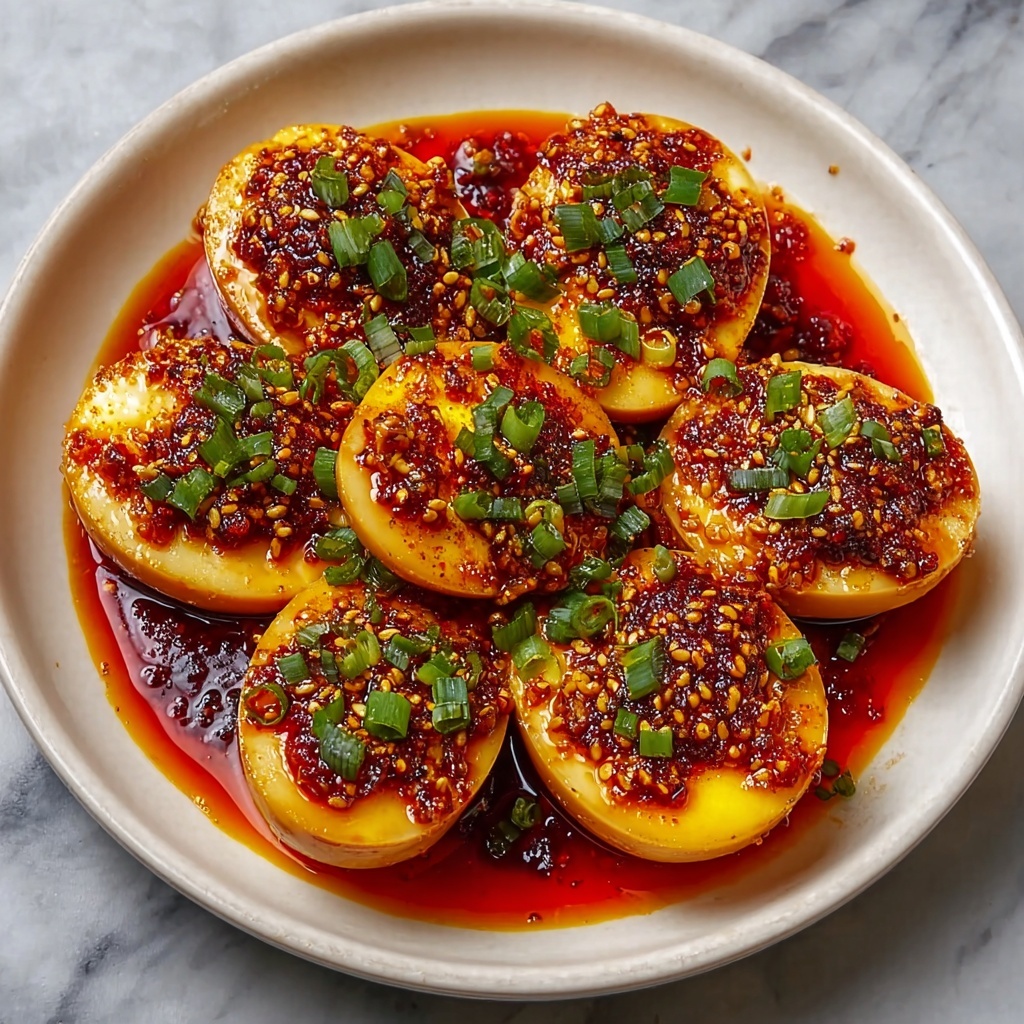
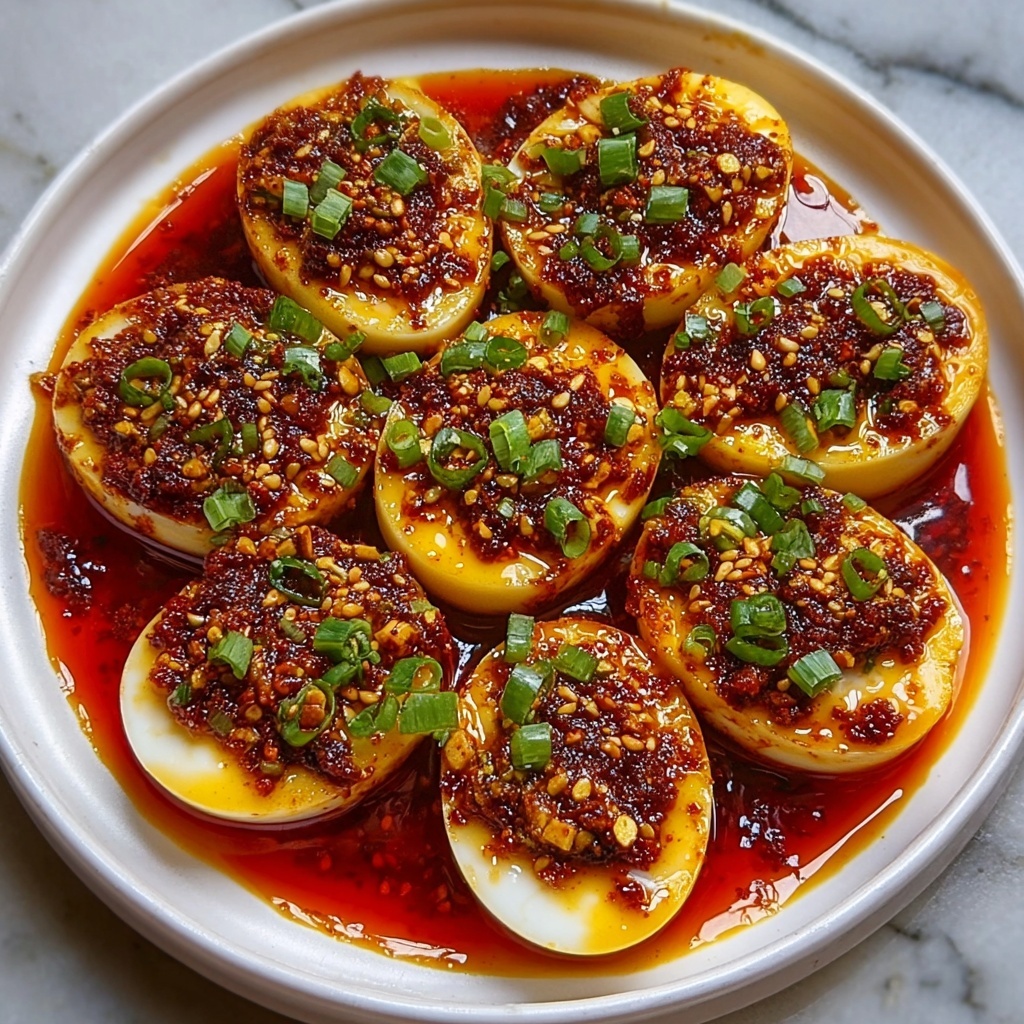
If you are craving a breakfast that wakes up your senses and adds an exciting punch to your morning, look no further than this Spicy Gochujang Eggs: A Bold Korean Breakfast Recipe. This dish is truly a celebration of flavors where creamy eggs meet the fiery, sweet, and savory notes of gochujang, a beloved Korean chili paste. Every bite offers an irresistible combination of spice, umami, and a hint of sweetness, making it a perfect way to start your day with energy and joy. Whether you are a fan of Korean cuisine or just eager to try something vibrant and new, these eggs promise a bold, unforgettable breakfast experience.
Ingredients You’ll Need
Getting your hands on the right ingredients is the first step to achieving the vivid flavors and textures that make this dish shine. Each one adds a layer of taste, color, or aroma that transforms simple eggs into a remarkable Korean-inspired breakfast.
- Gochujang (2 tablespoons): This Korean red chili paste is the star ingredient—offering heat and a subtle sweetness.
- Soy sauce (1 tablespoon): Adds rich umami depth; tamari works great if you want to go gluten-free.
- Sesame oil (1 teaspoon): A fragrant oil that brings a toasty, nutty essence to the dish.
- Honey or maple syrup (1 teaspoon): Balances the spiciness with a gentle touch of sweetness.
- Garlic, minced (1 clove): Adds pungency and warmth to the sauce.
- Large eggs (4): The base of our dish; fresh eggs ensure creamy, luscious yolks.
- Neutral cooking oil (1 tablespoon): For frying the eggs without overpowering their flavor.
- Green onions, thinly sliced (2): A fresh, crunchy garnish for bite and color contrast.
- Toasted sesame seeds (1 teaspoon): Adds a delicate crunch and nutty notes on top.
- Fresh cilantro (optional): Introduces a bright, citrus aroma to finish the plate beautifully.
How to Make Spicy Gochujang Eggs: A Bold Korean Breakfast Recipe
Step 1: Prepare the Gochujang Sauce
The magic begins with building the gochujang sauce. Whisk together the gochujang, soy sauce, sesame oil, honey, and minced garlic in a small bowl until silky and smooth. This luscious sauce is the soul of your Spicy Gochujang Eggs: A Bold Korean Breakfast Recipe, so savor a quick taste and tweak it if needed—add a bit more honey if you want it sweeter or more soy sauce for an umami punch. This perfectly balanced sauce will cling to your eggs and infuse each mouthful with bold Korean flavors.
Step 2: Heat Your Pan
Next, warm a non-stick or cast-iron skillet over medium heat and add your cooking oil. Give it a minute until the oil shimmers gently without smoking. This step is critical to ensure your eggs cook evenly without sticking or burning, creating a silky white exterior and that luxurious, runny yolk we all adore in this dish.
Step 3: Cook the Eggs
Carefully crack the eggs into the pan, keeping them slightly apart for easy serving. Cook undisturbed for 2 to 3 minutes until the whites are set but the yolks remain soft. If you prefer firmer yolks, just cover the pan for an extra minute or flip them gently for over-easy perfection. That gentle sizzle is the soundtrack to breakfast bliss here in your kitchen.
Step 4: Add the Spicy Sauce
Once your eggs are nearly done, drizzle the prepared gochujang sauce generously over the top and around them. Let it warm up and bubble slightly for about 30 seconds—this final step gently mellows the raw garlic and lets the flavors marry beautifully. A gorgeous aroma of sweet spice will instantly fill your kitchen, promising that your Spicy Gochujang Eggs: A Bold Korean Breakfast Recipe are just about ready.
Step 5: Garnish and Serve
Slide your eggs carefully onto a warm plate and sprinkle with sliced green onions and toasted sesame seeds for that pleasing crunch and pop of color. Add fresh cilantro if you enjoy its bright, citrusy touch—this final flourish creates a dazzling contrast of texture and flavor that makes every bite exciting and delightful.
How to Serve Spicy Gochujang Eggs: A Bold Korean Breakfast Recipe
Garnishes
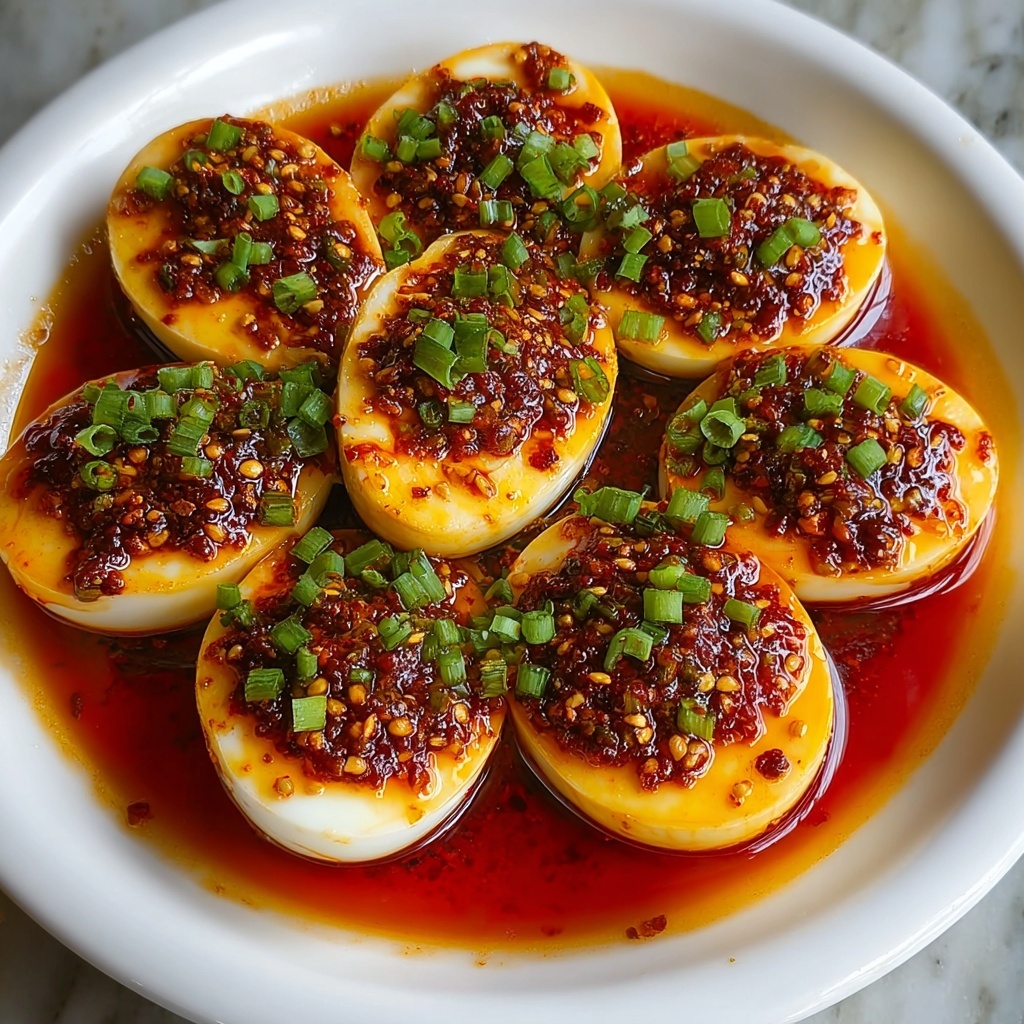
One of the most satisfying parts of serving Spicy Gochujang Eggs is the chance to experiment with garnishes. Along with green onions and toasted sesame seeds, fresh cilantro adds a refreshing zest that balances the spicy sauce. For a bit more crunch, you could also sprinkle some crushed peanuts or sliced radishes for subtle earthiness and color.
Side Dishes
This bold Korean breakfast pairs beautifully with simple sides that complement and cool the heat. Steamed rice is the classic choice, acting as a neutral canvas that soaks up the sauce perfectly. If you want something lighter, try a crisp cucumber salad or some kimchi to add tang and fermented depth that elevate the experience even more.
Creative Ways to Present
Feel free to get creative with your presentation! Serve the eggs over a bed of sautéed spinach or in a warm bowl with grains like quinoa or barley for a wholesome bowl breakfast. You can also add a fried tofu scramble to keep this vibrant while making it vegan-friendly. Adding a drizzle of toasted sesame oil right before serving enhances aroma and richness, showcasing the dish’s bold Korean roots.
Make Ahead and Storage
Storing Leftovers
If you have any leftover Spicy Gochujang Eggs, store them in an airtight container in the refrigerator. They should stay fresh for up to two days. To preserve texture, keep any garnishes like green onions or cilantro separate until you’re ready to serve again.
Freezing
Freezing is generally not recommended for this dish, as eggs can become rubbery and the sauce may separate after thawing. It’s best enjoyed fresh for the brightest flavors and best texture that truly capture the essence of Spicy Gochujang Eggs: A Bold Korean Breakfast Recipe.
Reheating
When reheating, do so gently to avoid overcooking the eggs. Warm the leftovers in a skillet over low heat or in the microwave at short intervals, stirring the sauce carefully. Add fresh green onions and sesame seeds after reheating to restore that fresh crunch.
FAQs
Can I make Spicy Gochujang Eggs vegan?
Absolutely! Swap out the eggs for an extra-firm tofu scramble and replace honey with agave nectar or maple syrup for a fully plant-based version that still delivers the same bold flavors.
What can I substitute if I don’t have gochujang?
You can mix Korean chili flakes (gochugaru) with miso paste to replicate the spicy, savory, and slightly sweet profile of gochujang. It won’t be identical but will keep the spirit of the dish alive.
How spicy is this recipe?
The heat level from gochujang is moderate, but you can adjust the spice intensity by adding more or less of the paste. The honey also helps balance the spice, so tweaking that can soften the overall kick.
Can I use other types of oil for cooking the eggs?
Yes! Neutral oils like canola, vegetable, or avocado oil work well. Avoid strongly flavored oils that might compete with sesame and gochujang flavors.
Is it okay to use soy sauce alternatives?
Definitely. Tamari is perfect for gluten-free needs, and coconut aminos provide a soy-free option while still maintaining that umami quality.
Final Thoughts
Embracing the vibrant flavors of Spicy Gochujang Eggs: A Bold Korean Breakfast Recipe is like giving your morning a joyful, flavorful kickstart. This recipe is wonderfully easy to prepare yet exceptionally rich in character and warmth. I encourage you to try it out soon—you might just discover your new favorite breakfast that turns ordinary mornings into bold, tasty celebrations.
Print
Spicy Gochujang Eggs: A Bold Korean Breakfast Recipe
- Prep Time: 5 minutes
- Cook Time: 8 minutes
- Total Time: 13 minutes
- Yield: 4 servings
- Category: Breakfast
- Method: Frying
- Cuisine: Korean
- Diet: Halal
Description
Experience a bold Korean breakfast with these spicy gochujang eggs, featuring a vibrant chili paste sauce balanced with soy, sesame, and honey. This quick skillet recipe delivers silky fried eggs topped with a flavorful, sweet-spicy sauce and garnished with green onions and toasted sesame seeds for a perfect blend of textures and flavors.
Ingredients
Sauce Ingredients
- 2 tablespoons gochujang (Korean red chili paste)
- 1 tablespoon soy sauce (or tamari for gluten-free)
- 1 teaspoon sesame oil
- 1 teaspoon honey or maple syrup
- 1 clove garlic, minced
Eggs
- 4 large eggs
- 1 tablespoon neutral cooking oil (vegetable, canola, or avocado)
Garnish
- 2 green onions, thinly sliced
- 1 teaspoon toasted sesame seeds
- Fresh cilantro for garnish (optional)
Optional Substitutions
- Use coconut aminos instead of soy sauce for a soy-free version
- Swap eggs for extra-firm tofu scramble for a vegan alternative
- Replace honey with agave nectar for a fully plant-based option
- Try gochugaru (Korean chili flakes) mixed with miso paste if gochujang isn’t available
Instructions
- Prepare the Gochujang Sauce: In a small bowl, whisk together the gochujang, soy sauce, sesame oil, honey, and minced garlic until smooth and glossy. Taste and adjust sweetness or saltiness as desired to achieve a balanced, thick sauce that clings to a spoon.
- Heat Your Pan: Place a non-stick or well-seasoned cast-iron skillet over medium heat and add the neutral cooking oil. Allow it to warm for about one minute until shimmering but not smoking to ensure optimal frying temperature for your eggs.
- Cook the Eggs: Crack the eggs directly into the pan, spacing them slightly apart if preferred. Cook undisturbed for 2-3 minutes until the whites are set and yolks remain runny. For firmer yolks, cover the pan with a lid for an additional minute or flip gently for over-easy eggs. Listen for the gentle sizzle indicating proper cooking.
- Add the Spicy Sauce: Drizzle the prepared gochujang sauce generously over and around the eggs. Let it warm and gently bubble at the edges for about 30 seconds, allowing flavors to meld and the raw garlic taste to mellow while infusing the kitchen with a sweet-spicy aroma.
- Garnish and Serve: Carefully slide the eggs onto a warm plate. Immediately sprinkle with thinly sliced green onions and toasted sesame seeds. Add fresh cilantro if desired for a bright, citrusy note that contrasts beautifully with the silky eggs and sticky sauce.
Notes
- For a soy-free version, substitute soy sauce with coconut aminos.
- To make this recipe vegan, replace eggs with an extra-firm tofu scramble and honey with agave nectar.
- If gochujang is unavailable, use a combination of gochugaru (Korean chili flakes) mixed with miso paste as a substitute.
- Adjust the sweetness and saltiness of the sauce to your taste preferences by altering honey and soy sauce quantities.
- Use a non-stick or well-seasoned cast-iron pan to prevent eggs from sticking and ensure even cooking.