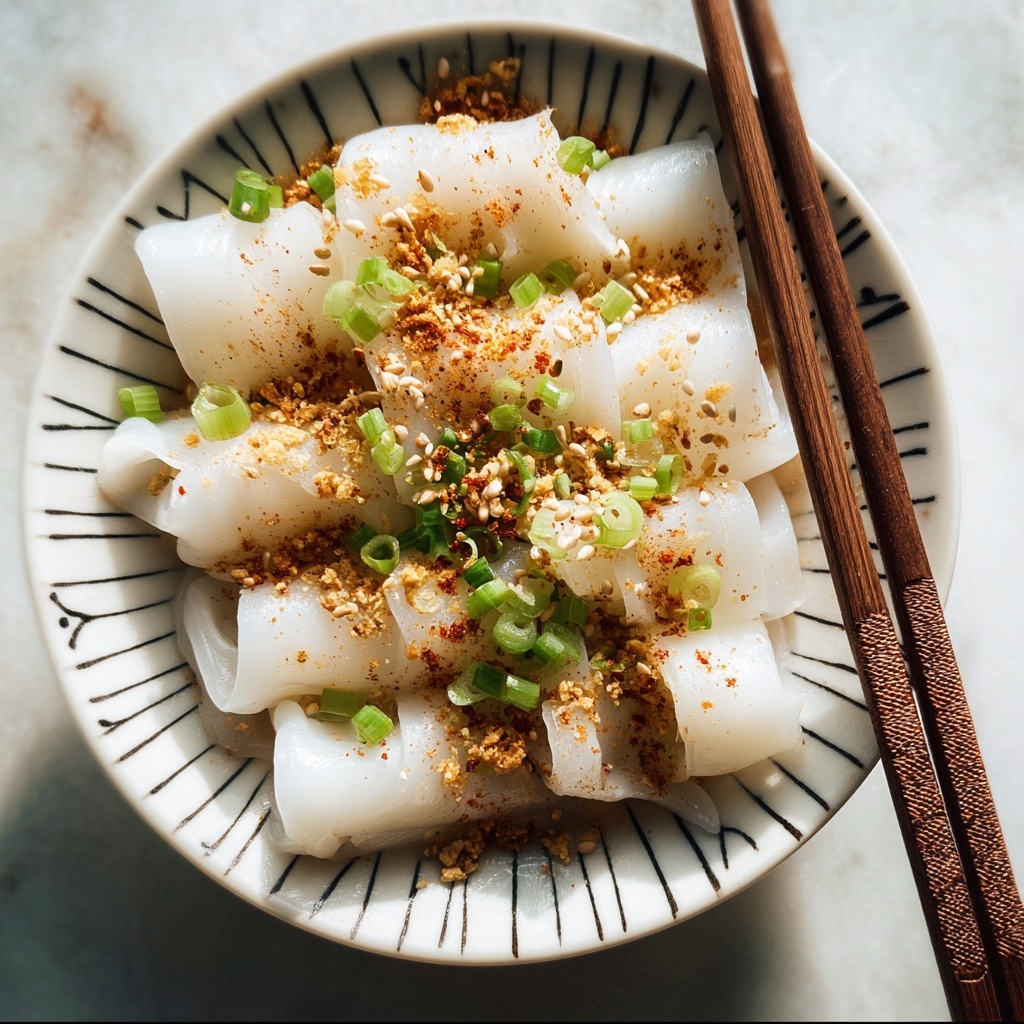
If you have ever wandered through a bustling dim sum restaurant wondering how those silky, delicate rice wraps melt in your mouth, you’re in for a real treat. The Rice Noodle Rolls (Cheung Fun) Recipe is a beloved Cantonese specialty that transforms simple ingredients like rice flour and water into tender sheets, ready to be filled with everything from shrimp to savory BBQ pork. It’s a dish that’s elegant yet approachable, comforting yet light, and perfect for sharing with family or friends. Once you master making these luscious rolls at home, you’ll find endless joy in customizing and savoring every bite.
Ingredients You’ll Need
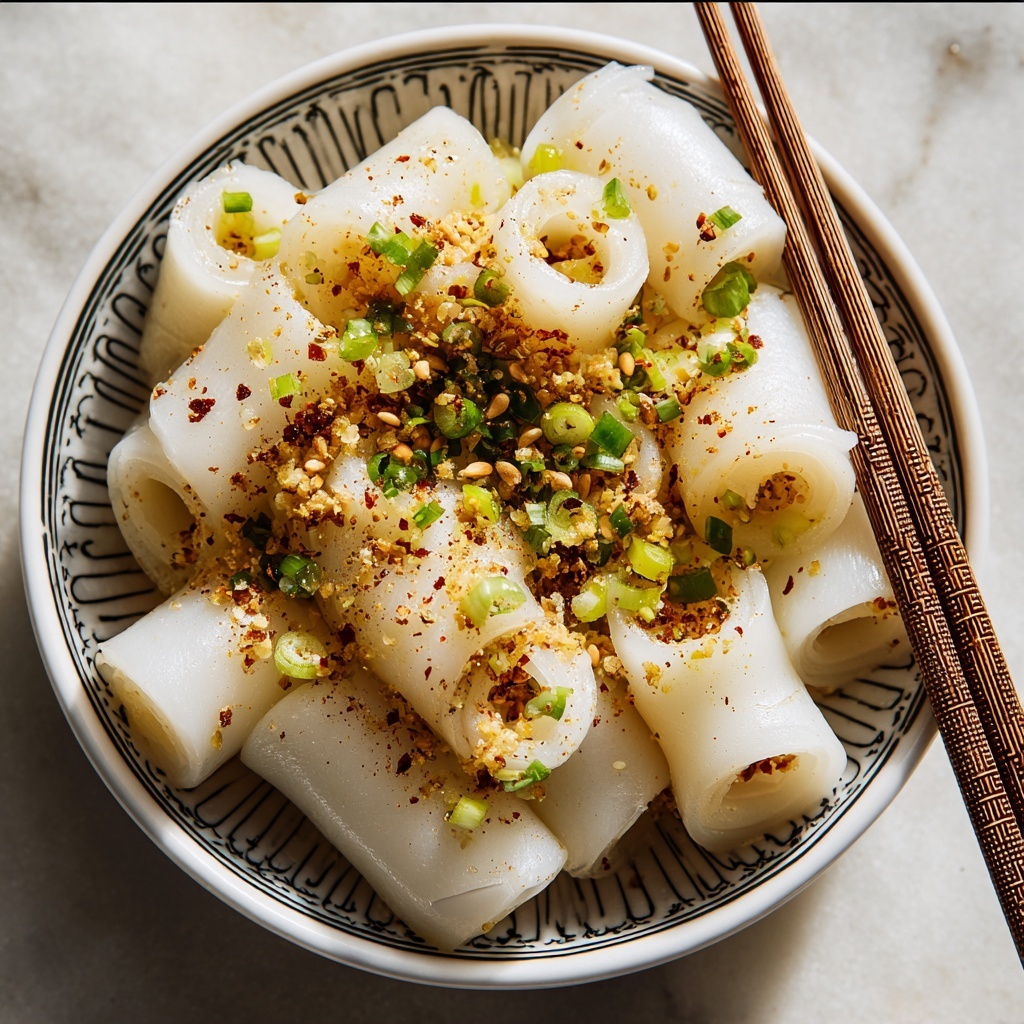
Creating authentic Rice Noodle Rolls (Cheung Fun) is surprisingly straightforward, relying on a handful of essential ingredients that each play a key role in building the dish’s unique texture and flavor. From the smoothness provided by rice flour to the slight chewiness from tapioca starch, every element contributes to the perfect rice noodle experience.
- Rice flour: The star ingredient that forms the delicate, silky sheets of the rolls.
- Tapioca starch: Adds a pleasantly chewy texture and helps with the elasticity of the noodle sheets.
- Wheat starch: Complements the other starches to give the rolls a slight bounce and smooth finish.
- Water: Hydrates the flours and creates the batter; make sure it’s room temperature for best results.
- Neutral oil: Keeps the sheets from sticking and adds a subtle sheen; vegetable or canola oil works beautifully.
- Optional fillings: Shrimp, char siu (BBQ pork), or chopped green onions provide delightful bursts of flavor and texture.
- Light soy sauce: A classic dipping sauce that enhances the rolls’ subtle sweetness and creates a harmonious balance.
- Sugar (optional): Used to slightly sweeten the soy sauce, bringing a gentle depth to the dipping experience.
- Water (optional for sauce): Dilutes the soy sauce and sugar for a lighter, smoother flavor.
How to Make Rice Noodle Rolls (Cheung Fun) Recipe
Step 1: Prepare the Batter
Start by whisking together rice flour, tapioca starch, and wheat starch with water until you have a perfectly smooth batter free of lumps. Stir in a tablespoon of neutral oil to ensure your rice noodle sheets will glide off the tray without a hitch—this small detail makes all the difference between a sticky mess and a flawlessly smooth roll.
Step 2: Set up Your Steamer
Find a steamer with a flat tray or a square pan that fits snugly inside. Bring the water beneath to a vigorous boil. The steaming process is crucial because it gently cooks the batter into those thin, translucent sheets we all adore.
Step 3: Steam the Rice Noodle Sheet
Lightly grease the tray with oil to prevent sticking, then pour a thin and even layer of batter across the bottom. Cover the steamer and let the batter steam for about 3 to 4 minutes or until the sheet turns translucent and slightly shiny. This stage requires a little patience but yields that unmistakable delicate texture.
Step 4: Roll and Repeat
Once the sheet is set, carefully remove the tray and let the noodle cool just enough so it’s manageable but still warm. Gently loosen the edges with a spatula and roll it up tightly. If you’re using fillings like shrimp or char siu, place them on the sheet just before rolling it up. Repeat the steaming, greasing, and rolling process for the remaining batter until you have a stack of gorgeous rice noodle rolls.
Step 5: Prepare the Sauce
The perfect finishing touch is a simple, flavorful soy sauce glaze. Mix light soy sauce with a bit of sugar and water, then heat gently until the sugar dissolves. This balanced sauce complements the rice noodles beautifully without overpowering their gentle flavor.
How to Serve Rice Noodle Rolls (Cheung Fun) Recipe
Garnishes
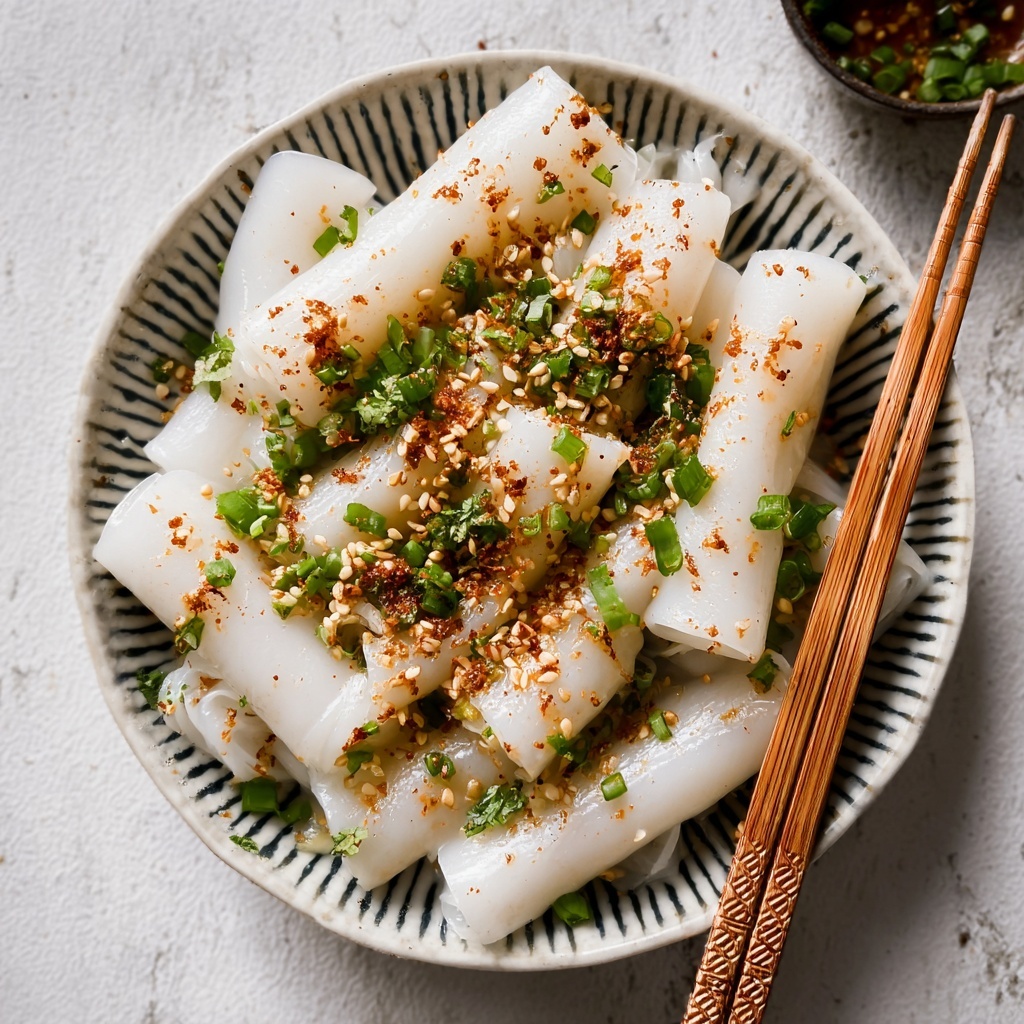
The charm of Rice Noodle Rolls (Cheung Fun) lies not only in their silky texture but in the fresh garnishes that elevate each bite. Sprinkle chopped green onions or a tiny drizzle of toasted sesame oil on top for a fragrant lift, or add some fried shallots for delightful crunch and depth. A hint of fresh cilantro can also brighten the presentation and flavor.
Side Dishes
This dish pairs beautifully with other classic Cantonese dim sum items like steamed dumplings, sticky rice in lotus leaf, or crunchy spring rolls. When served as part of a larger meal, the soft rice noodles provide a soothing contrast to spicier or heartier dishes.
Creative Ways to Present
If you want to impress, consider slicing the rice noodle rolls into bite-size pieces and stacking them like elegant little towers on a serving plate. You can drizzle the soy-based sauce over each piece or offer it on the side for dipping. Alternatively, serve them wrapped individually in banana leaf for an authentic and rustic touch at your next gathering.
Make Ahead and Storage
Storing Leftovers
If you have leftovers, place the rice noodle rolls in an airtight container and refrigerate. To avoid them sticking together, separate the layers with parchment paper. Stored this way, they will keep fresh for up to two days.
Freezing
While Rice Noodle Rolls (Cheung Fun) are best enjoyed fresh, you can freeze them carefully wrapped in plastic wrap and then placed in a freezer-safe bag. Thaw them overnight in the refrigerator before reheating to maintain their texture.
Reheating
To reheat, steam the rolls gently for a few minutes until warm and tender again. Avoid microwaving as this may make the noodles tough or rubbery. Steaming refreshes their softness as if they were just made.
FAQs
Can I make Rice Noodle Rolls (Cheung Fun) without tapioca starch?
Tapioca starch gives cheung fun its signature chewiness, but if you don’t have it, you can try using only rice flour and wheat starch; however, the texture will be less elastic and slightly different from the traditional version.
What fillings work best in Rice Noodle Rolls?
Classic options include shrimp, char siu (BBQ pork), or green onions, but feel free to get creative with mushrooms, beef, or even vegetarian fillings like tofu and sautéed vegetables.
Do I need a special steamer to make the rolls?
A basic steaming setup with a flat tray or a square pan that fits inside a large pot or wok works perfectly. The key is maintaining a good steam and enough space for the batter to cook evenly.
How thin should the batter be spread?
The batter should be spread thinly in a single even layer, about 2-3 millimeters thick, so it cooks into a delicate, translucent sheet without becoming too thick or doughy.
Can I make vegan Rice Noodle Rolls?
Absolutely! The batter itself is naturally vegan, and you can simply skip animal-based fillings or soy sauce that contains fish ingredients to enjoy a fully plant-based version.
Final Thoughts
Making Rice Noodle Rolls (Cheung Fun) at home is a rewarding culinary adventure that brings a cherished Cantonese dim sum experience right to your kitchen. With just a few humble ingredients and some gentle steaming, you’ll create something truly special—silky, versatile, and endlessly satisfying. So go ahead, give this recipe a try and watch as these delicate rolls become a new favorite in your cooking repertoire!
Print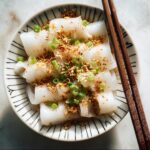
Rice Noodle Rolls (Cheung Fun) Recipe
- Prep Time: 10 minutes
- Cook Time: 20 minutes
- Total Time: 30 minutes
- Yield: 4 servings
- Category: Dim Sum
- Method: Steaming
- Cuisine: Chinese
- Diet: Gluten Free
Description
Rice Noodle Rolls, or Cheung Fun, is a classic Cantonese dim sum dish featuring delicate, translucent rice noodle sheets rolled around savory fillings like shrimp, char siu (BBQ pork), or green onions. Steamed to perfection and served with a lightly sweetened soy sauce, this dish offers a silky texture and flavorful bite, perfect for breakfast or a light meal.
Ingredients
Batter
- 1 cup rice flour
- 2 tbsp tapioca starch
- 1 tbsp wheat starch
- 2 cups water
- 1 tbsp neutral oil (plus more for greasing)
Optional Fillings
- Shrimp, peeled and deveined
- Char siu (BBQ pork), chopped
- Green onions, chopped
Sugar Soy Sauce
- Light soy sauce, for serving
- ½ tsp sugar (optional)
- 1 tbsp water (optional)
Instructions
- Prepare the batter: In a large bowl, whisk together the rice flour, tapioca starch, wheat starch, and water until you achieve a smooth, lump-free mixture. Stir in 1 tablespoon of neutral oil to help create silky sheets.
- Set up the steamer: Prepare a steamer with a flat tray or square pan that fits inside it, and bring the water to a rolling boil.
- Steam the batter: Lightly grease the tray with oil, then pour a thin, even layer of batter to coat the base. Cover and steam for 3 to 4 minutes, or until the rice sheet becomes translucent and set.
- Cool and roll: Remove the tray from the steamer and let the sheet cool slightly to set. Use a spatula to gently loosen the edges, then carefully roll up the sheet into a cylinder. If using fillings, place them evenly on the sheet before rolling.
- Repeat the process: Grease the tray again, and repeat the steaming and rolling steps with the remaining batter until all the rice noodle rolls are made.
- Make the sauce: In a small saucepan, combine light soy sauce, sugar, and water. Heat gently until the sugar dissolves completely, then remove from heat.
- Serve: Arrange the rice noodle rolls on a plate, drizzle them generously with the prepared soy sauce, and serve while warm for the best texture and flavor.
Notes
- You can customize the filling based on preference; shrimp, char siu BBQ pork, or green onions are popular options.
- Ensure the batter layer is thin and even for the best texture of the rice noodle sheets.
- Keep the cooked rolls covered with a damp cloth if not serving immediately to prevent drying out.
- The sugar in the soy sauce is optional and can be adjusted to taste for a sweeter or more savory flavor.
- Use neutral oil like vegetable or canola oil for greasing to avoid altering the delicate flavor of the rice sheets.
- Rice noodle rolls are best enjoyed fresh but can be gently reheated in a steamer to regain softness.