If you’re craving a vibrant, tangy, and wonderfully crisp assortment of flavors, you absolutely have to try this Pickled Fermented Veggie Feast Recipe. It’s not only a celebration of color and crunch but also a stunning way to bring your veggies to life through pickling and fermentation. This recipe beautifully balances the sharp zest of vinegar with the deep, complex notes that fermentation gifts us, resulting in a dish that’s as lively on the palate as it is on the table. Whether as a snack, a side, or a centerpiece, this veggie feast invites you into a world of bold tastes and textures with every bite.
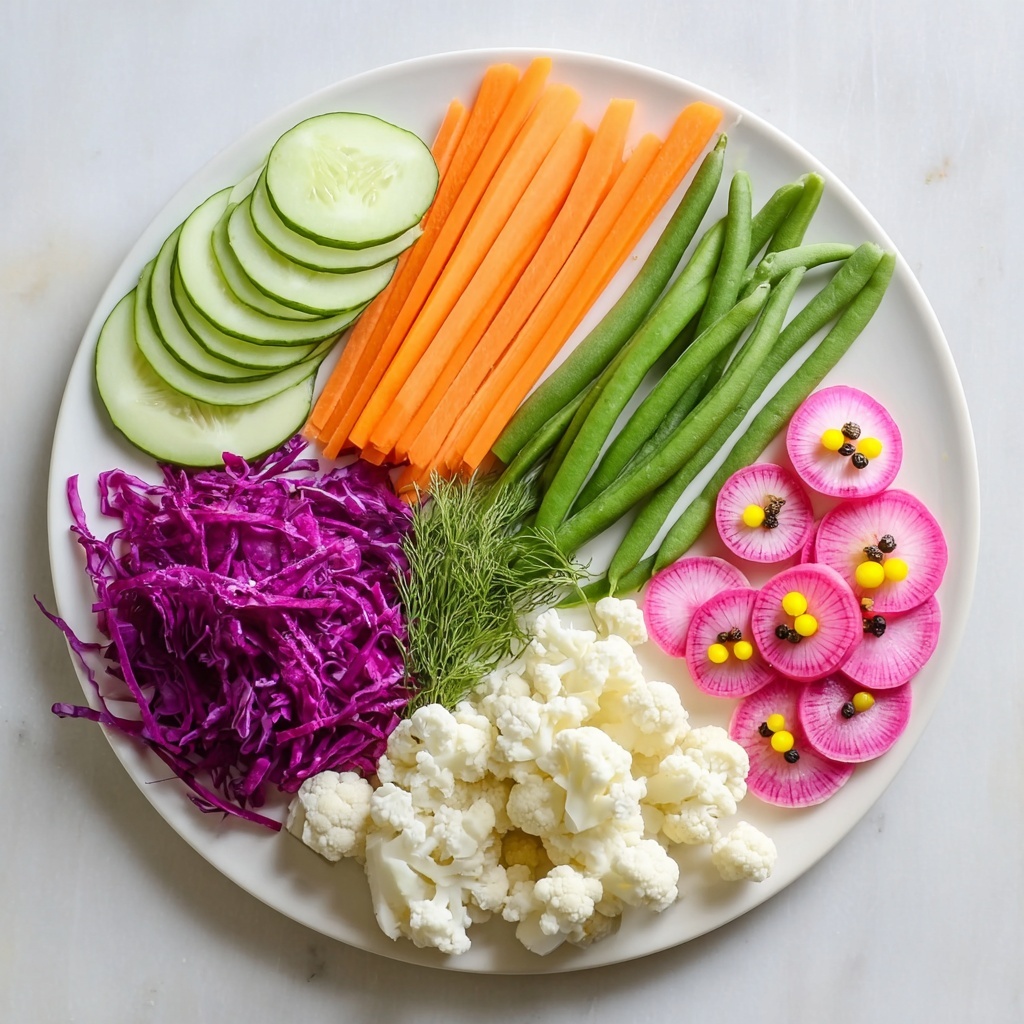
Ingredients You’ll Need
The beauty of the Pickled Fermented Veggie Feast Recipe lies in its simplicity and the thoughtful selection of ingredients. Each item not only enhances the flavor but also adds a unique texture and dazzling color to your final creation, making this dish as pleasing to the eyes as to the taste buds.
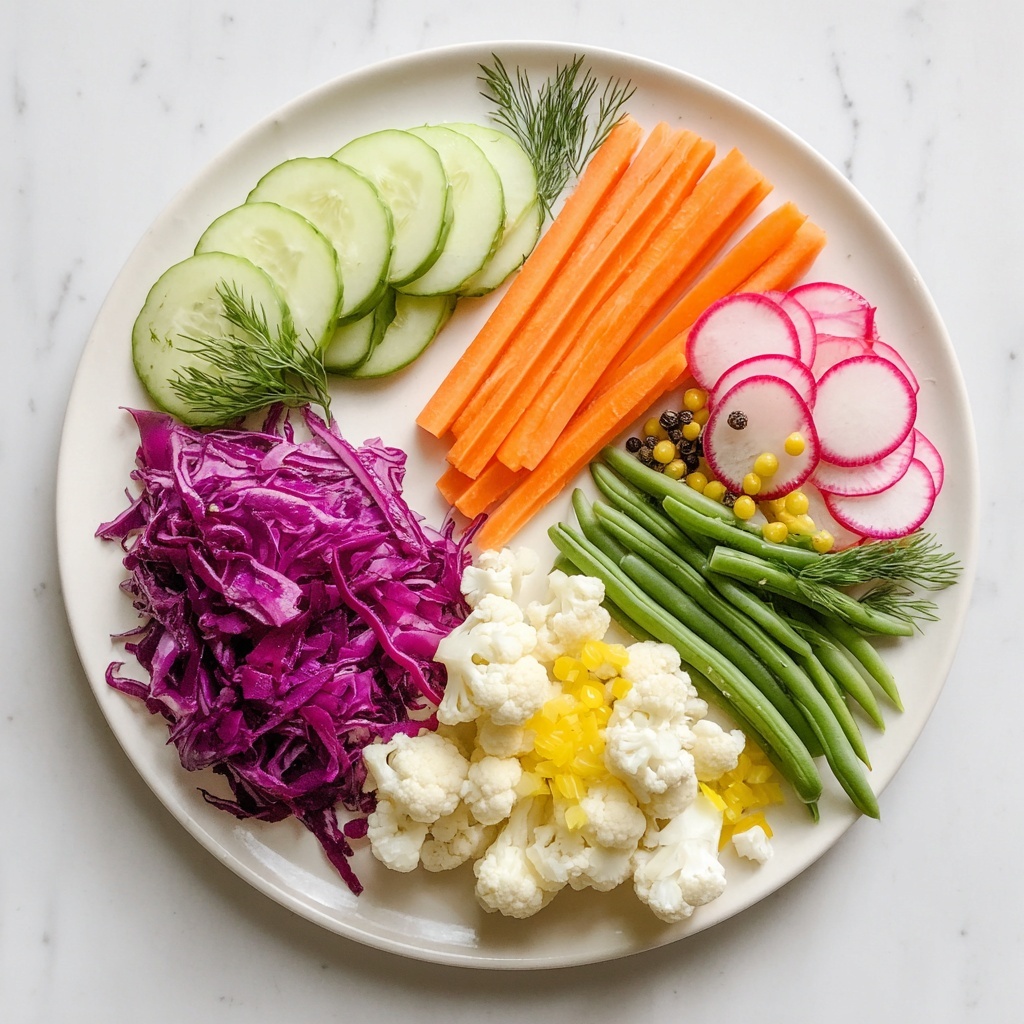
- Carrots (1 cup, julienned): Sweet and crunchy, carrots add a vivid orange pop and a subtle earthiness.
- Cucumber (1 cup, sliced): Their refreshing juiciness balances out the stronger pickled flavors.
- Radishes (1 cup, thinly sliced): Peppery hints and a crisp snap give the dish a little kick.
- Red cabbage (1 cup, shredded): Adds vibrant purple hues and a satisfying crunch.
- Cauliflower florets (1 cup): Their firm texture absorbs flavors beautifully without becoming mushy.
- Green beans (1 cup, trimmed): These lend a fresh snap and wonderful color contrast.
- White vinegar (2 cups): The essential acidic base that preserves and pickles the veggies perfectly.
- Water (2 cups): Helps balance the vinegar’s sharpness in the brine.
- Sugar (2 tablespoons): Adds just the right hint of sweetness to round out the flavors.
- Kosher salt (2 tablespoons): Vital for flavor and fermentation control.
- Garlic cloves (2, sliced): Infuses the mix with a warm, aromatic punch.
- Mustard seeds (1 tablespoon): Offer a subtle spiciness and crunch.
- Coriander seeds (1 tablespoon): Add a citrusy, nutty undertone.
- Black peppercorns (1 teaspoon): Bring mild heat and complexity.
- Bay leaves (2): Impart an earthy, herbal fragrance.
- Fresh dill (3 sprigs): Delivers a bright, fresh herbal note.
- Red chili (1 small, sliced, optional): Adds a gentle heat if you want a little fire.
- Kimchi (1 cup): A bold fermented addition that amps up the tang and texture.
- Sauerkraut (1 cup): Compliments with its own punchy fermented cabbage goodness.
How to Make Pickled Fermented Veggie Feast Recipe
Step 1: Prepare the Vegetables
Start by washing your vegetables thoroughly to ensure freshness and crispness. Then, cut each as specified—julienne carrots, slice cucumbers and radishes thinly, shred the cabbage, trim green beans, and separate cauliflower into small florets. These careful preps keep the textures distinct and the colors vibrant in your final veggie feast.
Step 2: Make the Pickling Brine
In a saucepan, mix the white vinegar, water, sugar, and kosher salt. Warm this mixture over medium heat, stirring to dissolve the sugar and salt fully. Once everything’s melted into a perfect pickling solution, take it off the heat and let it cool slightly—this step is crucial to avoid cooking your veggies when the brine is added.
Step 3: Pack the Vegetables
Tightly pack your prepped veggies into clean glass jars or small bowls. Grouping by color and shape is not just fun but creates a visually appealing feast that’s a treat even before tasting. The sturdy glass also helps keep everything fresh and makes the pickling process more effective.
Step 4: Add Spices and Aromatics
Divide the garlic slices, mustard seeds, coriander seeds, black peppercorns, bay leaves, fresh dill, and sliced chili evenly across your jars. These spices mingle with the veggies, infusing every bite with complexity and warmth.
Step 5: Pour the Brine
Slowly pour your warm pickling brine over the packed vegetables, ensuring they are fully submerged. Proper coverage prevents spoilage and encourages even pickling and fermentation.
Step 6: Seal and Refrigerate
Seal the jars tightly and let them come to room temperature if still warm from the brine. Then move them to the refrigerator. For quick pickles, 12 hours is sufficient, but waiting 48 hours will develop richer flavors.
Step 7: Fermentation Option
If you prefer true fermentation, prepare a 2% salt brine by dissolving 20 grams of salt per liter of water. Submerge your veggies in this brine and allow them to ferment at room temperature for 5 to 7 days. Check them daily for desired flavor and texture. This method brings the Pickled Fermented Veggie Feast Recipe to a whole new level of tangy complexity.
Step 8: Serve
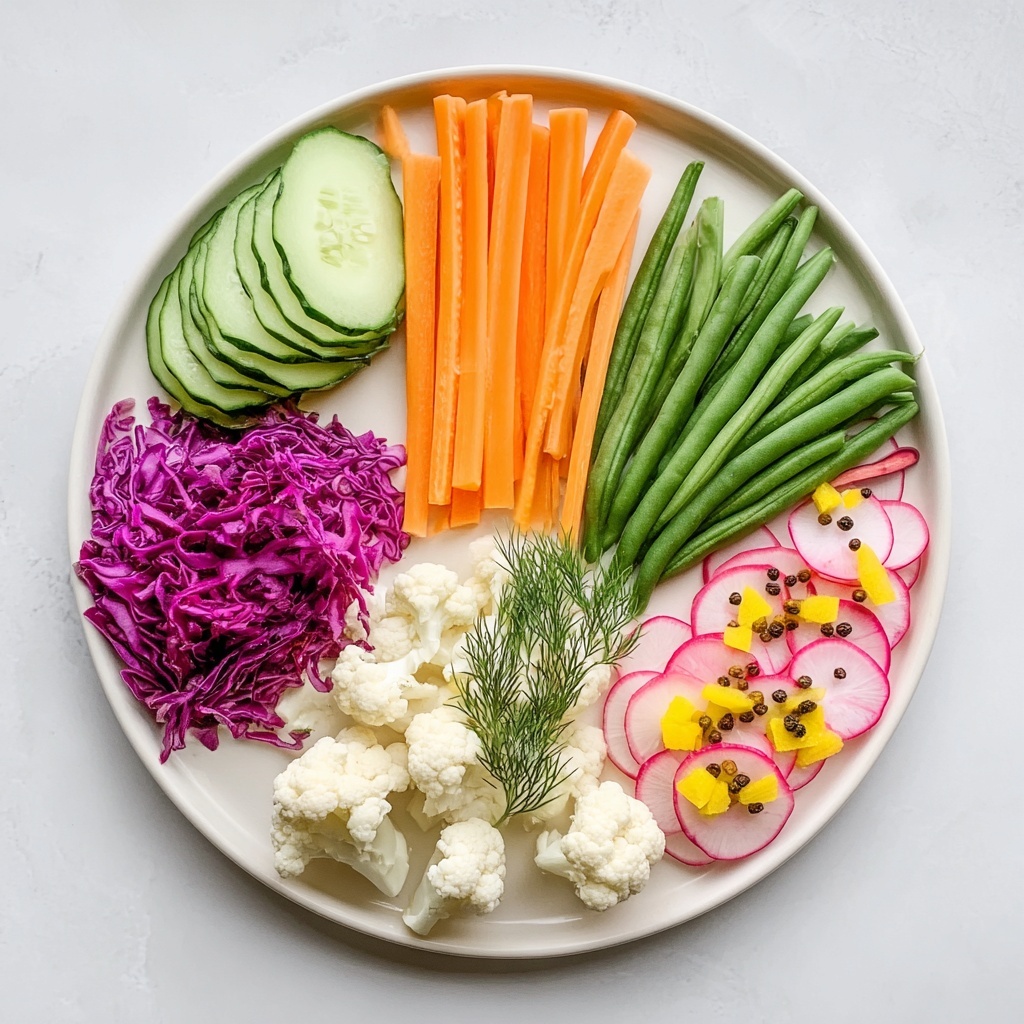
Arrange your pickled and fermented veggies in small jars or bowls, placing them creatively in linear or grid patterns on serving boards. This presentation turns a simple dish into a stunning centerpiece that will entice every guest’s curiosity and appetite.
How to Serve Pickled Fermented Veggie Feast Recipe
Garnishes
Fresh herbs like dill, parsley, or even thin slices of red chili make beautiful garnishes that complement the zesty flavors. A sprinkle of toasted sesame seeds can add an unexpected, nutty crunch that elevates the dish further.
Side Dishes
This feast pairs wonderfully with hearty main dishes such as grilled meats, roasted poultry, or even a cozy rice bowl. It also makes a fabulous condiment alongside sandwiches, burgers, or charcuterie boards, lending a bright, acidic contrast that cuts through richness.
Creative Ways to Present
For a truly dazzling display, try layering the veggies in clear glass containers by color to create a rainbow effect. Alternatively, serve them directly on rustic wooden boards or in small, charming bowls clustered together for a communal picnic vibe.
Make Ahead and Storage
Storing Leftovers
Your leftover Pickled Fermented Veggie Feast Recipe keeps beautifully in the refrigerator for up to two weeks. Keep the veggies submerged in their brine to maintain their crunch and tang, and always use a clean utensil when retrieving portions to prolong freshness.
Freezing
Freezing pickled and fermented vegetables is generally not recommended as it can alter their texture, making them softer and less crisp. It’s best to enjoy this feast fresh or refrigerated to savor the intended crunch and zing.
Reheating
This dish is best enjoyed cold or at room temperature, so reheating is not necessary. If you want to incorporate it into a warm meal, add it at the end as a bright, flavorful topping to preserve its texture and vibrant taste.
FAQs
Can I use other vegetables for the Pickled Fermented Veggie Feast Recipe?
Absolutely! Feel free to experiment with veggies like bell peppers, zucchini, or snap peas. Just keep in mind their textures and how they might respond to pickling or fermenting to maintain the perfect crunch.
How long does fermentation take for this recipe?
Typically, fermenting takes 5 to 7 days at room temperature, depending on your desired sourness and texture. Make sure to check daily and sample as you go to find your perfect balance.
Is fermentation safe to do at home?
Yes, as long as you follow hygienic practices and keep your vegetables fully submerged in brine, fermentation is safe and rewarding. The process promotes good bacteria that are great for your gut.
Can I skip fermentation and just do quick pickles?
Definitely! Quick pickling is a fantastic way to enjoy bright, tangy flavors in just 12 to 48 hours. Fermentation is an option that adds depth, but it’s not mandatory for great results.
What’s the best way to serve leftover Pickled Fermented Veggie Feast?
Leftovers shine as crunchy snacks, salad toppers, or vibrant additions to sandwiches and grain bowls. Their lively acidity breathes new life into many dishes.
Final Thoughts
I can’t recommend this Pickled Fermented Veggie Feast Recipe enough if you’re looking to brighten up your meals and delight your senses. It’s a fantastic way to enjoy a medley of fresh vegetables transformed into something truly special, bursting with flavor, crunch, and that irresistible tang of fermentation and pickling. So go ahead, gather your veggies, and invite this feast into your kitchen—you’ll be so glad you did!
Print
Pickled Fermented Veggie Feast Recipe
- Prep Time: 20 minutes
- Cook Time: 10 minutes
- Total Time: 40 minutes (quick pickling), 5-7 days (fermentation)
- Yield: 6 servings
- Category: Pickles & Ferments
- Method: No-Cook
- Cuisine: International
- Diet: Vegetarian
Description
A vibrant and tangy Pickled Fermented Veggie Feast featuring a colorful variety of fresh vegetables, aromatic spices, and classic fermentation techniques for a flavorful and crunchy accompaniment or snack. This recipe offers both quick pickling and traditional lacto-fermentation options, ideal for preserving seasonal produce with a delicious probiotic punch.
Ingredients
Vegetables
- 1 cup carrots, julienned
- 1 cup cucumber, sliced
- 1 cup radishes, thinly sliced
- 1 cup red cabbage, shredded
- 1 cup cauliflower florets
- 1 cup green beans, trimmed
Pickling Brine
- 2 cups white vinegar
- 2 cups water
- 2 tablespoons sugar
- 2 tablespoons kosher salt
Spices and Aromatics
- 2 garlic cloves, sliced
- 1 tablespoon mustard seeds
- 1 tablespoon coriander seeds
- 1 teaspoon black peppercorns
- 2 bay leaves
- 3 sprigs fresh dill
- 1 small red chili, sliced (optional)
Additional Fermented Ingredients
- 1 cup kimchi
- 1 cup sauerkraut
Instructions
- Prepare Vegetables: Wash all vegetables thoroughly. Julienne the carrots, slice the cucumbers, radishes, and red chili, shred the red cabbage, trim the green beans, and separate cauliflower into small florets to ensure even texture and appearance.
- Make Pickling Brine: In a saucepan, combine white vinegar, water, sugar, and kosher salt. Bring the mixture to a boil, stirring occasionally until the sugar and salt fully dissolve. Remove from heat and allow the brine to cool slightly so it doesn’t wilt the vegetables.
- Pack Vegetables: Tightly pack the prepared vegetables into clean glass jars or small serving bowls, grouping by color and shape to create an appealing visual presentation.
- Add Spices and Aromatics: Evenly distribute sliced garlic, mustard seeds, coriander seeds, black peppercorns, bay leaves, fresh dill sprigs, and optional red chili among the jars with the vegetables for enhanced flavor complexity.
- Pour Brine: Carefully pour the warm pickling brine over the packed vegetables until they are fully submerged to ensure proper pickling and preservation.
- Seal and Refrigerate: Seal the jars tightly and let them cool to room temperature. Refrigerate for at least 12 hours for quick pickles or up to 48 hours for more developed flavor.
- Fermentation Option: For traditional fermentation, prepare a 2% salt brine by dissolving 20 grams of salt per liter of water. Submerge the vegetables completely in this brine and ferment them at room temperature for 5 to 7 days, checking daily to release gases and ensure no mold forms on the surface.
- Serve: Arrange the pickled and fermented vegetables in small jars or bowls. Place them in linear or grid patterns on serving boards to make a visually attractive feast, perfect for sharing or as a flavorful accompaniment to meals.
Notes
- Use fresh, crisp vegetables to maintain crunch after pickling or fermenting.
- Ensure vegetables are fully submerged in brine to prevent spoilage during fermentation.
- Refrigerate quick pickles to halt fermentation and preserve flavor.
- Monitor fermented vegetables daily to release gases and avoid mold.
- The optional chili adds heat but can be omitted for milder flavors.
- Pickling jars must be clean and sterilized to prevent contamination.