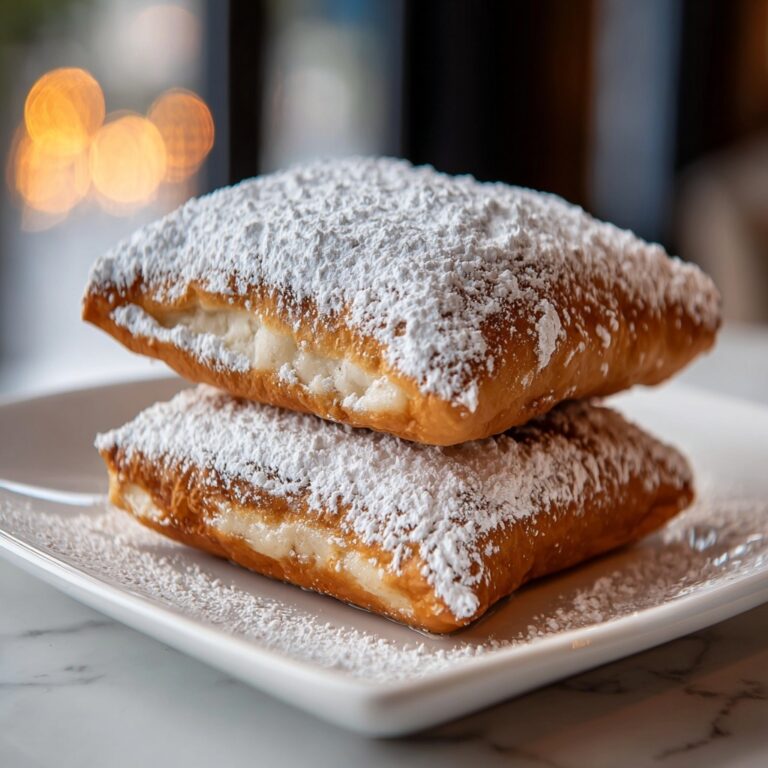
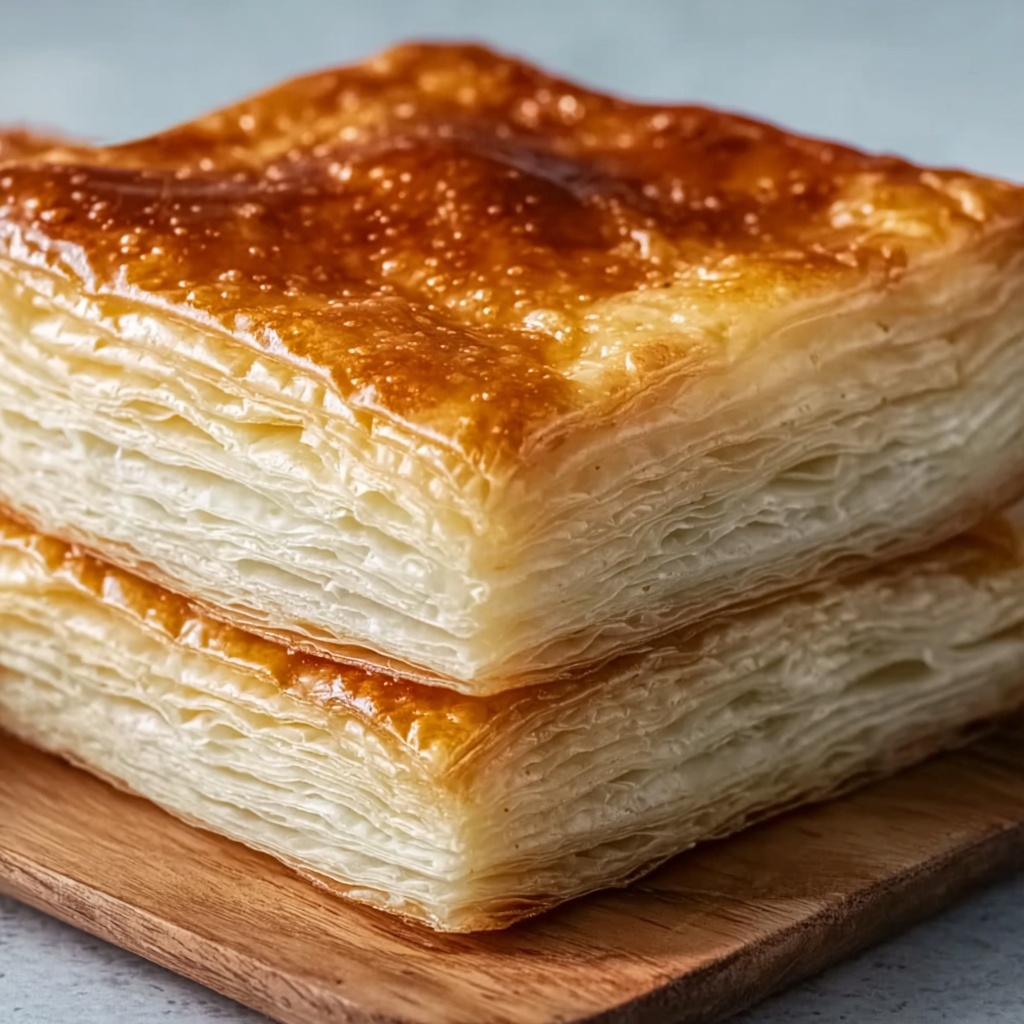
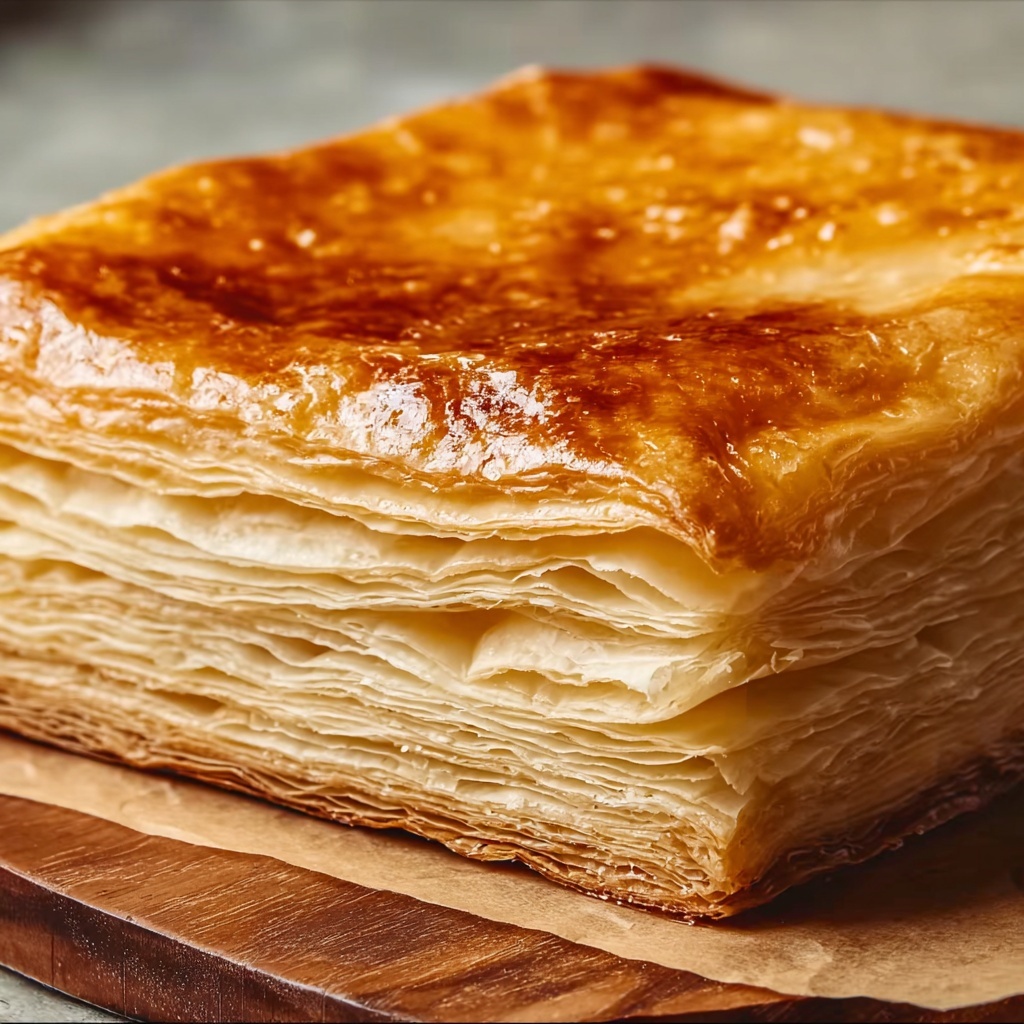
If you’ve ever marveled at the flaky, buttery layers in a bakery puff pastry and wondered if you could replicate that magic in your own kitchen, this Homemade Puff Pastry Recipe is here to make your baking dreams come true. With just a handful of simple ingredients and a little patience, you’ll create dough that rises beautifully into delicate, crisp layers brimming with buttery goodness. Whether you’re aiming to impress at brunch, craft elegant appetizers, or treat yourself to a sweet puff pastry dessert, this recipe brings that irresistible flaky texture right to your countertop.
Ingredients You’ll Need
Ingredients You’ll Need
The beauty of this Homemade Puff Pastry Recipe lies in its simplicity. Each ingredient plays a vital role, from the flour’s structure to the cold butter creating those signature layers, and even the splash of vinegar enhancing the dough’s tenderness and workability.
- All-purpose flour: The foundation of your pastry, providing strength and structure to those majestic layers.
- Salt: A pinch to balance and enhance the flavors throughout the dough.
- Cold unsalted butter: The secret superstar, cutting through the dough to create flaky layers—chilling is key here!
- Cold water: Helps bring the dough together without melting the butter, keeping everything light and flaky.
- White vinegar (optional): Adds tenderness by loosening gluten strands, making rolling out the dough much easier and the texture softer.
How to Make Homemade Puff Pastry Recipe
Step 1: Combine Dry Ingredients
Start by whisking together your flour and salt in a large bowl. This ensures the salt is evenly distributed for consistent flavor in every bite. Doing this early sets a solid base for your dough.
Step 2: Incorporate Cold Butter
Add those cold, cubed butter pieces to your flour mixture. Use a pastry cutter, two forks, or even your fingers (quickly!) to gently cut the butter into the flour until the mixture resembles coarse crumbs with some pea-sized butter chunks remaining. These chunks will melt during baking and create your beautiful layers.
Step 3: Mix in the Cold Water and Vinegar
Slowly pour in the cold water and optional vinegar, stirring gently with a fork until the dough just starts to come together. You want enough moisture for the dough to hold when pressed but not so much that it becomes sticky. Add more water by teaspoons if needed.
Step 4: Form and Chill the Dough
Turn the dough out onto a lightly floured surface and press it together into a rough rectangle. Wrap it tightly in plastic wrap and chill in the refrigerator for at least 30 minutes. This rest period allows the gluten to relax and the butter to firm back up, essential for achieving those dreamy puff pastry layers.
Step 5: Roll and Fold Repeatedly
On a lightly floured surface, roll the dough into a long rectangle. Fold it into thirds like a letter, turn 90 degrees, and roll out again. Repeat this rolling and folding process 4 to 6 times, chilling the dough for 20 minutes between sets if it becomes too soft. This technique is what creates the delicate, flaky layers puff pastry is famous for.
Step 6: Final Chill and Use
After your last fold, chill the dough for at least 1 hour before using it in your recipes. This resting time helps the dough relax and stay cold, making it easier to handle and ensuring perfect puff during baking.
How to Serve Homemade Puff Pastry Recipe
Garnishes
Sprinkle a little coarse sugar on top before baking for a sweet sparkle and delicate crunch, or brush with egg wash for a glossy, golden finish that will wow your guests. Fresh herbs or seeds can be added for savory dishes to add a burst of color and flavor.
Side Dishes
Homemade puff pastry pairs wonderfully with creamy soups, fresh salads, or roasted vegetables. Its light flakiness complements rich or hearty sides, adding a crisp texture contrast that balances the overall meal beautifully.
Creative Ways to Present
Get playful by rolling the dough around fillings like cheese, sautéed mushrooms, or fruit preserves before baking for irresistible turnovers. Cut the puff pastry into shapes for elegant appetizers or even shape it into nests to hold eggs or savory mixtures—your imagination is your limit!
Make Ahead and Storage
Storing Leftovers
If you have any leftover baked puff pastry, store it in an airtight container at room temperature for up to 2 days. To keep it from getting soggy, avoid sealing it right after warm baking—let it cool completely first.
Freezing
Unbaked dough freezes beautifully and can be wrapped tightly in plastic and foil before placing in the freezer for up to 2 months. When ready to use, thaw overnight in the refrigerator and handle gently to preserve those layers.
Reheating
Reheat puff pastry in a preheated 350°F oven for about 5 to 10 minutes to refresh its flaky texture and warm any fillings. Avoid the microwave, as it tends to make the pastry soggy.
FAQs
Is this Homemade Puff Pastry Recipe difficult for beginners?
Not at all! While it takes some patience and practice, the steps are straightforward and very rewarding. The key is keeping the butter cold and following the rolling and folding routine carefully to achieve perfect layers.
Can I use margarine or shortening instead of butter?
Butter provides the best flavor and texture for puff pastry. Margarine or shortening can be used in a pinch but may affect both taste and flakiness. For best results, stick with cold unsalted butter.
Why is the dough chilled so much during this recipe?
Chilling helps solidify the butter so it doesn’t melt into the dough while rolling; this separation of butter and dough is what creates those signature flaky layers. It also relaxes gluten to make the dough easier to work with.
Can I make the dough ahead of time?
Absolutely! Puff pastry dough can be made a day ahead and kept tightly wrapped in the refrigerator, or frozen for longer storage. Just let it thaw properly before rolling out and baking.
What dishes can I make using Homemade Puff Pastry Recipe?
The possibilities are endless! From classic croissants and vol-au-vents to savory tarts and sweet turnovers, this puff pastry dough is your delicious canvas for countless recipes.
Final Thoughts
Making your own puff pastry is such a special experience—you gain a new appreciation for those flaky, buttery layers that only homemade efforts can achieve. This Homemade Puff Pastry Recipe is well worth the time and love, and once you start, you’ll find all sorts of ways to incorporate it into your cooking and baking adventures. So don your apron, pull out your rolling pin, and delight in one of baking’s most timeless treats!
Print
Homemade Puff Pastry Recipe
- Prep Time: 15 minutes
- Cook Time: 5 minutes (approximate handling time, dough is uncooked at this stage)
- Total Time: 1 hour 20 minutes (including chilling time)
- Yield: 1 batch (enough for about 1 standard 9-inch pie or multiple small pastries)
- Category: Baking
- Method: Baking
- Cuisine: French
- Diet: Vegetarian
Description
This Homemade Puff Pastry recipe provides a classic, flaky, buttery dough perfect for both sweet and savory dishes. Made from simple pantry ingredients and requiring only basic techniques, this puff pastry is ideal for bakers seeking to create elegant pastries, tarts, or pies from scratch. The vinegar helps tenderize the dough, resulting in a tender yet crisp texture after baking.
Ingredients
Dry Ingredients
- 2 1/2 cups all-purpose flour
- 1 teaspoon salt
Wet Ingredients
- 1 cup (2 sticks) cold unsalted butter, cut into small cubes
- 1/2 cup cold water (plus more if needed)
- 1 tablespoon white vinegar (optional, but helps with the dough’s texture)
Instructions
- Mix Dry Ingredients: In a large bowl, combine the all-purpose flour and salt thoroughly to ensure even seasoning throughout the dough.
- Cut in Butter: Add the cold, cubed butter to the flour mixture. Using a pastry cutter or your fingertips, quickly work the butter into the flour until the mixture resembles coarse crumbs with some pea-sized pieces of butter remaining.
- Add Liquids: Mix the cold water and white vinegar together. Gradually add this liquid mixture to the flour and butter, stirring gently with a fork until the dough begins to come together. Add a little more water if the dough feels too dry but avoid overhydrating.
- Form Dough: Turn the dough out onto a lightly floured surface. Gently knead just until it forms a cohesive ball. Be careful not to overwork the dough to keep the butter cold and create flakiness.
- Chill Dough: Flatten the dough into a rough rectangle. Wrap it tightly in plastic wrap and refrigerate for at least 1 hour before rolling out. This chilling step allows the gluten to relax and the butter to firm up, essential for creating puff layers.
Notes
- Keep all ingredients as cold as possible to ensure the butter stays solid and creates flaky layers.
- Do not overwork the dough to maintain tenderness and puffiness.
- Use the dough within 2 days or freeze it for up to 1 month.
- Roll out dough on a lightly floured surface to prevent sticking.
- Rest the dough between folds if continuing with traditional puff pastry folding methods to increase layers.