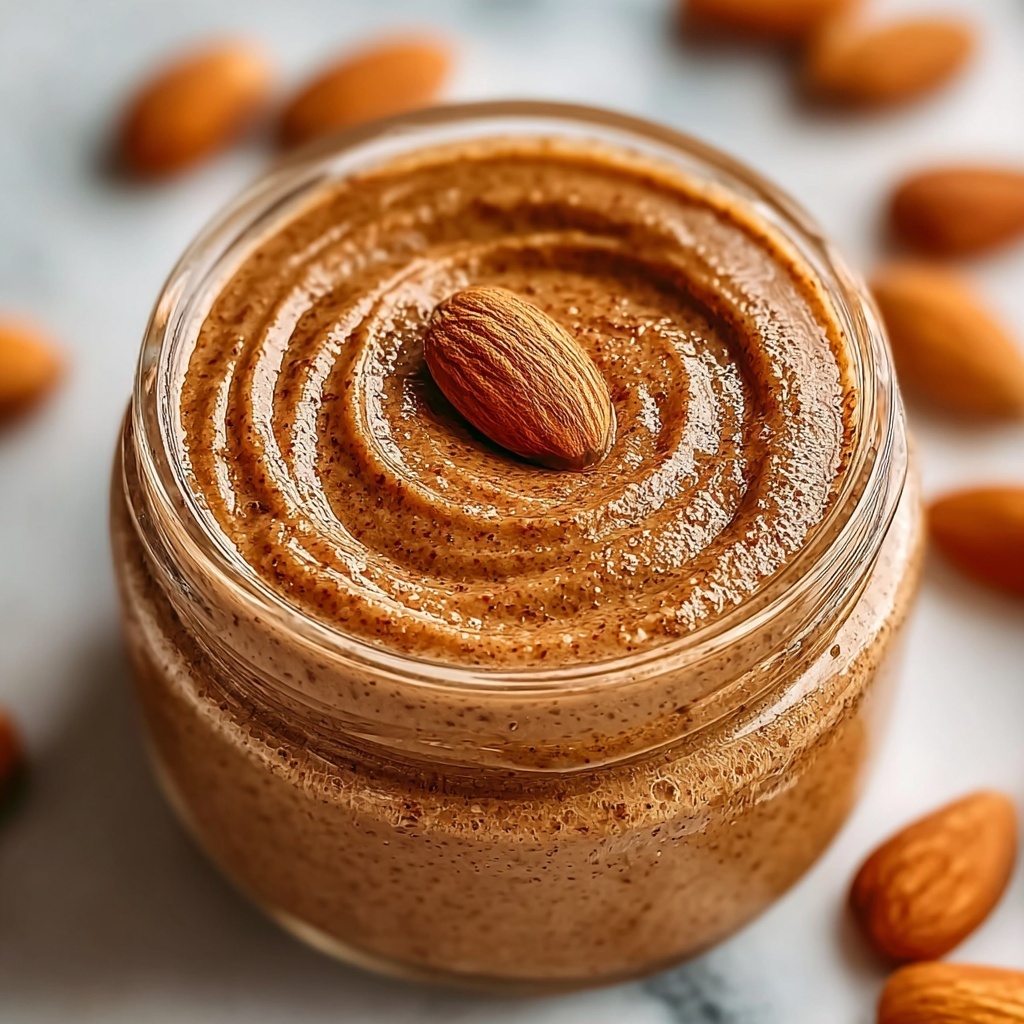
If you’ve ever wished for a rich, creamy, and wholesome nut spread that you can trust completely, then this Homemade Almond Butter Recipe is about to become your new obsession. Crafted from simple raw almonds and just a few optional add-ins, it delivers that perfect balance of nutty depth and luscious texture you find in the best store-bought jars, but with none of the preservatives or mystery ingredients. Whether you’re a seasoned nut butter fan or just dipping your toes into making your own, this recipe will have you whipping up creamy almond butter that elevates every snack or recipe with ease and joy.
Ingredients You’ll Need
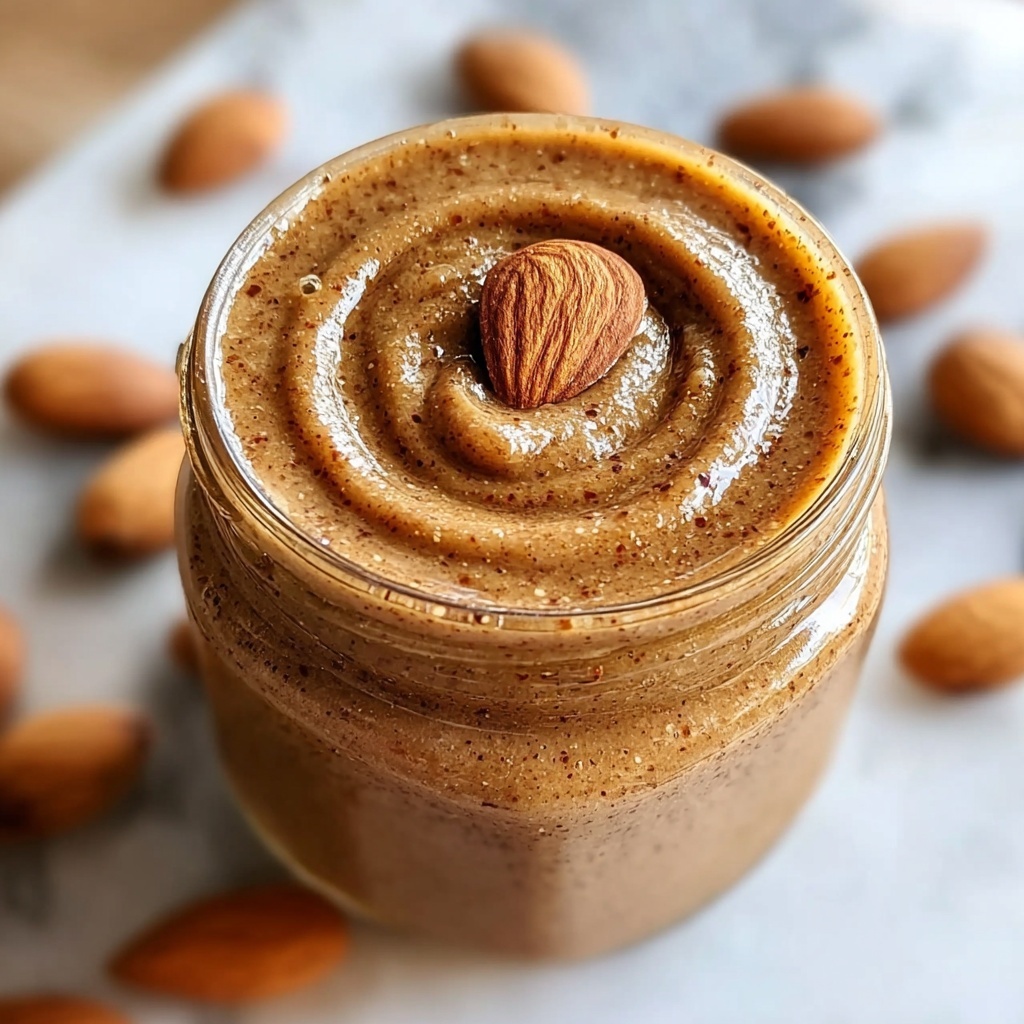
Ingredients You’ll Need
Gathering the right ingredients for this almond butter is wonderfully straightforward, but every single one plays a vital role in making your spread shine. From the foundation of raw almonds to the subtle touches of salt and sweetener, each component enhances flavor, texture, or that irresistible creaminess.
- 2 cups raw unsalted almonds: The star of the show, ensuring you achieve that rich, nutty flavor.
- 1/4 to 1/2 teaspoon sea salt: To enhance the taste; adjust to your preference.
- 1 tablespoon maple syrup or honey (optional): For a touch of natural sweetness; ideal if you’re using plain almonds.
- 1 tablespoon coconut oil or any neutral-flavored oil (optional): For an ultra-creamy texture; can be skipped for a thicker consistency.
How to Make Homemade Almond Butter Recipe
Step 1: Prepare Your Ingredients
It all begins with measuring out the almonds carefully—you want exactly 2 cups of raw unsalted almonds as your base. If you’re planning to add a little sweetness or oil to smooth it out, measure those out too so everything is ready to go before you start blending.
Step 2: Blend the Almonds
Place the almonds in a high-speed blender or food processor and start blending on a low speed. Gradually increase to high, patiently blending for 5 to 10 minutes as the nuts break down. Don’t forget to pause every so often to scrape down the sides; this helps everything blend evenly and prevents your machine from overworking.
Step 3: Add Salt and Optional Ingredients
Once your almonds have transformed into a thick, creamy paste, it’s time to add flavor. Sprinkle in your sea salt along with the optional maple syrup or honey and coconut oil if you’ve chosen to use them. Blend for another 2 to 3 minutes to incorporate these additions seamlessly.
Step 4: Adjust Consistency
Feeling that your almond butter is a bit too dense? Add a little more coconut oil in small increments and blend until you achieve the creaminess you desire. This flexibility allows you to customize the texture exactly how you like it.
Step 5: Taste and Store
Give your homemade almond butter a quick taste test and tweak the sweetness or saltiness to match your palate perfectly. When satisfied, transfer the spread to a sealed jar or container and keep it handy for all your snacking or cooking needs!
How to Serve Homemade Almond Butter Recipe
Garnishes
The wonderful thing about this almond butter is how beautifully it pairs with simple garnishes. A sprinkle of chia seeds, a dusting of cinnamon, or even a drizzle of honey on top not only adds visual appeal but layers in flavor that makes each bite exciting.
Side Dishes
Homemade almond butter shines brightest when paired with fresh fruit like apple slices or banana, crisp celery sticks, or toasted bread. It also acts as a creamy complement to yogurt bowls and oatmeal, turning everyday meals into something special.
Creative Ways to Present
Get creative by swirling your almond butter into smoothies, spreading it on warm pancakes, or even using it as a dip for crackers. You can also incorporate it into sauces or baked goods to infuse your recipes with that deep, nutty richness that only freshly made almond butter can offer.
Make Ahead and Storage
Storing Leftovers
Store your homemade almond butter in an airtight container in the refrigerator where it will stay fresh for up to two weeks. Giving it a good stir before each use will keep the oils well distributed and the texture perfect.
Freezing
If you want to keep your almond butter longer, freezing is an excellent option. Portion it into freezer-safe containers or bags, and it will maintain quality for up to three months. Thaw overnight in the fridge before using.
Reheating
Reheating almond butter is simple: just set the container in a warm water bath or microwave it in short bursts, stirring between, until it softens to your preferred consistency. This helps if it firms up after refrigeration or freezing.
FAQs
Can I use roasted almonds instead of raw?
Absolutely! Roasted almonds will give your almond butter a deeper, nuttier flavor, though they may also yield a slightly darker color and different texture. Feel free to experiment based on your taste preferences.
Do I need to add oil for creamy almond butter?
Nope! The almonds naturally release their oils as you blend, creating a creamy texture on their own. Adding oil is optional and mainly helps if you prefer an ultra-smooth consistency.
How long does homemade almond butter last?
When stored properly in the refrigerator, your almond butter can last up to two weeks. Always check for any off smells or changes in texture before eating, just like with any homemade nut butter.
Can I sweeten almond butter naturally?
Yes! Maple syrup and honey are popular natural sweeteners that add a subtle sweetness without overpowering the almond flavor. You can adjust the amount according to your taste or leave it out for a pure nutty spread.
Is this recipe allergen-friendly?
This recipe is naturally gluten-free and dairy-free, but since almonds are tree nuts, it’s not suitable for those with nut allergies. Always consider allergy restrictions for your guests or family members.
Final Thoughts
There’s something truly satisfying about creating your own Homemade Almond Butter Recipe. It’s fresh, customizable, and wholesome—qualities that are hard to find in store-bought versions. Once you try this recipe, I bet it will become a staple in your kitchen, inspiring delightful snacks and meals for years to come. So grab your almonds, fire up your blender, and enjoy the magic of homemade goodness!
Print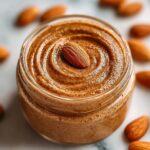
Homemade Almond Butter Recipe
- Prep Time: 5 minutes
- Cook Time: 10 minutes
- Total Time: 15 minutes
- Yield: 1 cup almond butter
- Category: Nut Butter
- Method: Blending
- Cuisine: American
- Diet: Gluten Free
Description
This homemade almond butter recipe is a simple and delicious way to create a rich, creamy, and natural nut spread using raw unsalted almonds. With optional additions like sea salt, maple syrup or honey, and coconut oil, you can customize the flavor and texture to your preference. Perfect for spreading on toast, adding to smoothies, or using in baking, this almond butter is free from preservatives and made with wholesome ingredients.
Ingredients
Almond Butter Ingredients
- 2 cups raw unsalted almonds
- 1/4 to 1/2 teaspoon sea salt, adjust to taste
- 1 tablespoon maple syrup or honey (optional)
- 1 tablespoon coconut oil or any neutral-flavored oil (optional)
Instructions
- Prepare Your Ingredients: Measure and gather 2 cups of raw unsalted almonds. If you choose to use sweeteners like maple syrup or honey, and coconut oil for creaminess, have these ready as well.
- Blend the Almonds: Place the almonds in a high-speed blender or food processor. Start blending on a low speed and gradually increase to high. Blend continuously for about 5 to 10 minutes until the almonds break down and form a thick, creamy paste. Pause occasionally to scrape down the sides for even blending.
- Add Salt and Optional Ingredients: Once the almond mixture is creamy, add 1/4 to 1/2 teaspoon of sea salt. If desired, add maple syrup or honey and coconut oil at this point. Blend again for another 2 to 3 minutes until all ingredients are well incorporated.
- Adjust Consistency: If the almond butter is too thick, add additional coconut oil a little at a time and blend until you reach the smooth, creamy texture you prefer.
- Taste and Store: Taste your almond butter and adjust the sweetness or saltiness as needed. Transfer the finished almond butter to a sealed jar and store it in a cool, dry place or refrigerate for freshness. Enjoy as a spread, dip, or ingredient in your favorite dishes.
Notes
- You can use raw or dry roasted almonds based on preference, but raw almonds provide a fresh flavor.
- Blending time may vary depending on your blender or food processor’s power.
- Adding oil is optional and affects creaminess and spreadability.
- Store almond butter in an airtight container; it can last up to 2 weeks refrigerated.
- For a different flavor profile, consider adding cinnamon or vanilla extract during blending.