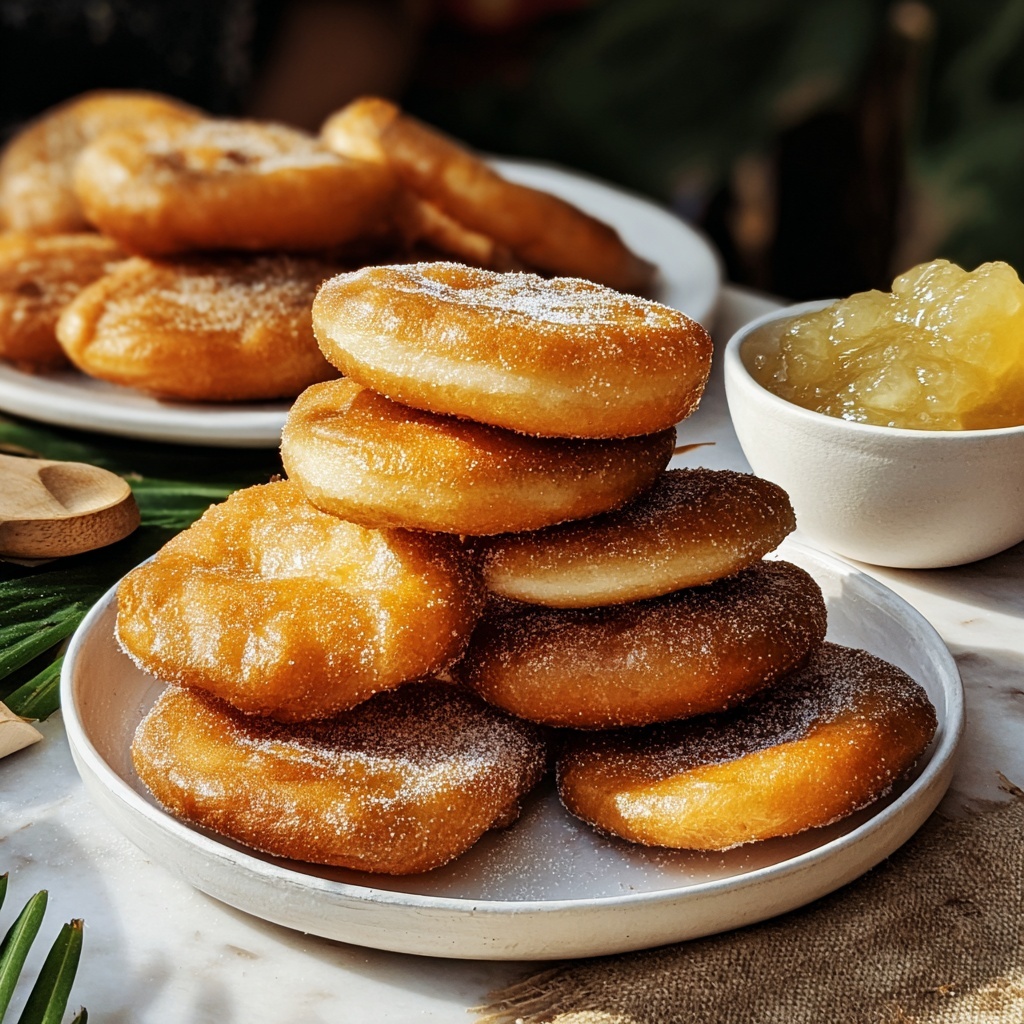
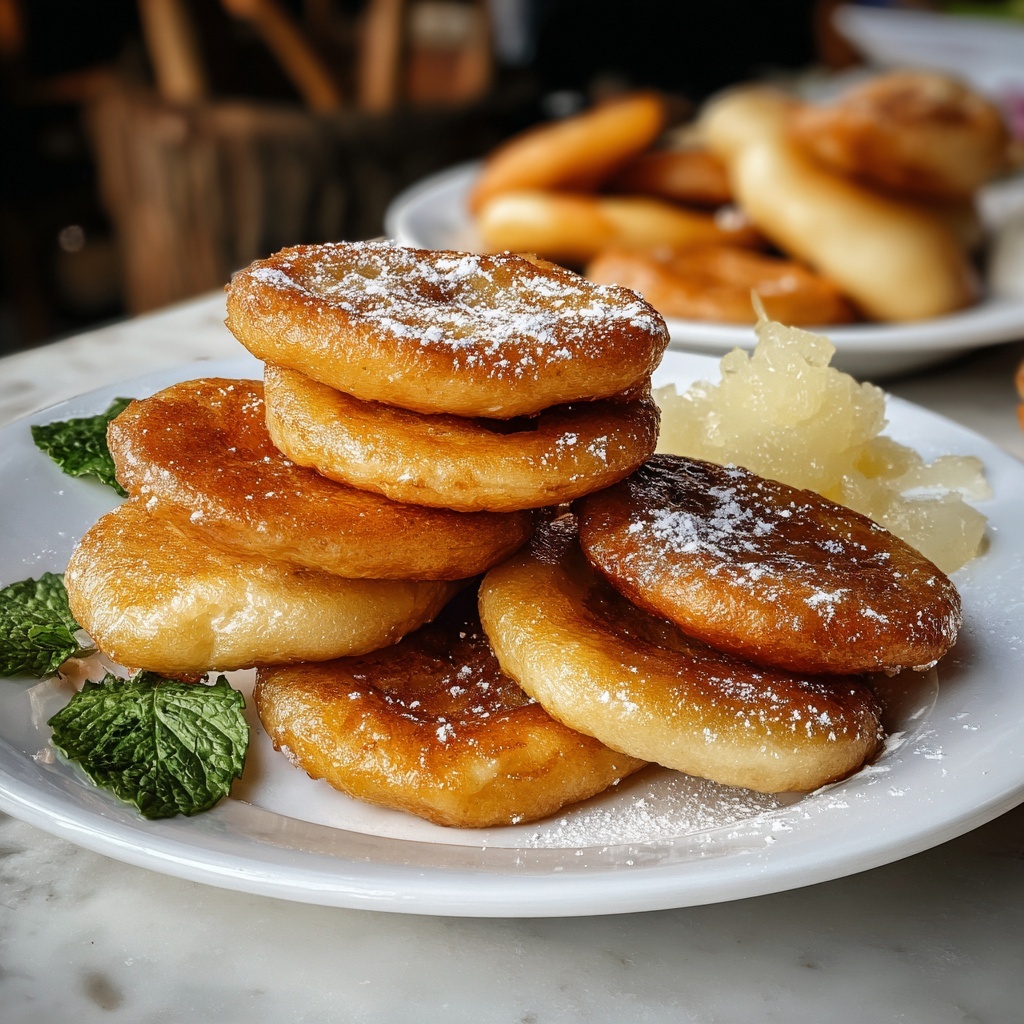
If you have ever dreamt of biting into a delightfully crisp yet pillowy fried treat, then you are in for a true Caribbean treasure with this Haitian Beignets Recipe. These golden squares of fried dough coated in powdered sugar bring the warmth of Haitian street food right into your kitchen. Perfectly sweet, softly nutmeggy, and just the right amount of airy, these beignets are irresistible any time of day. Whether as a sweet snack, breakfast companion, or a festive dessert, this Haitian Beignets Recipe combines simple ingredients for a truly unforgettable bite that feels like a cozy hug from a dear friend.
Ingredients You’ll Need
The magic of this Haitian Beignets Recipe starts with straightforward pantry staples, each playing a crucial role in building the perfect texture and vibrant flavor. From fluffy flour to fragrant vanilla, every ingredient ensures your beignets come out tender on the inside with a golden crust on the outside.
- 3 cups all-purpose flour: The base providing structure and the perfect crumb texture.
- 1/4 cup granulated sugar: Sweetens the dough just enough for that inviting flavor.
- 1 tablespoon baking powder: The leavening agent that makes the beignets puff beautifully.
- 1/2 teaspoon salt: Balances sweetness and enhances all flavors.
- 1/2 teaspoon ground nutmeg (optional): Adds a subtle warm spice that evokes Caribbean charm.
- 2 large eggs: Help bind the dough and contribute to richness.
- 1 cup evaporated milk: Delivers a creamy tenderness and slight caramel undertone.
- 1 teaspoon vanilla extract: Infuses a delightful aromatic sweetness.
- 2 tablespoons unsalted butter, melted: Adds moisture and a hint of buttery flavor.
- 2 to 3 cups vegetable oil: For frying, providing the perfect golden, crispy shell.
- 1 cup powdered sugar: For dusting generously when they come out piping hot.
How to Make Haitian Beignets Recipe
Step 1: Prepare the Dry Ingredients Mix
Start by whisking together the all-purpose flour, granulated sugar, baking powder, salt, and ground nutmeg in a large mixing bowl. This dry mixture forms the fundamental framework, ensuring your beignets rise properly with a tender crumb.
Step 2: Combine the Wet Ingredients
In a separate bowl, beat the eggs until smooth. Then add the evaporated milk, vanilla extract, and melted butter. Whisk these together to create a luscious liquid mixture that will bind the dry ingredients and add a rich depth to your beignets.
Step 3: Form the Dough
Pour the wet ingredients into the dry mix and stir until a soft dough forms. If it feels too sticky to handle, add a tablespoon of flour at a time until it feels manageable but still tender. This balance is key to achieving light yet substantial beignets.
Step 4: Roll and Cut the Dough
Lightly flour your workspace to prevent sticking, then roll out the dough to about a 1/2-inch thickness. Using a knife or pastry cutter, slice the dough into 2-inch squares or rectangles. These neat pieces will puff beautifully when fried.
Step 5: Fry to Golden Perfection
Heat the vegetable oil in a deep, heavy-bottomed pot to 350°F. Carefully fry the dough pieces in batches, turning them once to ensure even browning. Fry each side for roughly 2 to 3 minutes until the beignets turn golden brown and delightfully puffed. Remove them with a slotted spoon and drain briefly on paper towels.
Step 6: Dust and Serve
While they are still warm, generously dust the beignets with powdered sugar. This final touch complements the crispy exterior and warm, tender interior, creating a melt-in-your-mouth experience unique to the Haitian Beignets Recipe.
How to Serve Haitian Beignets Recipe
Garnishes
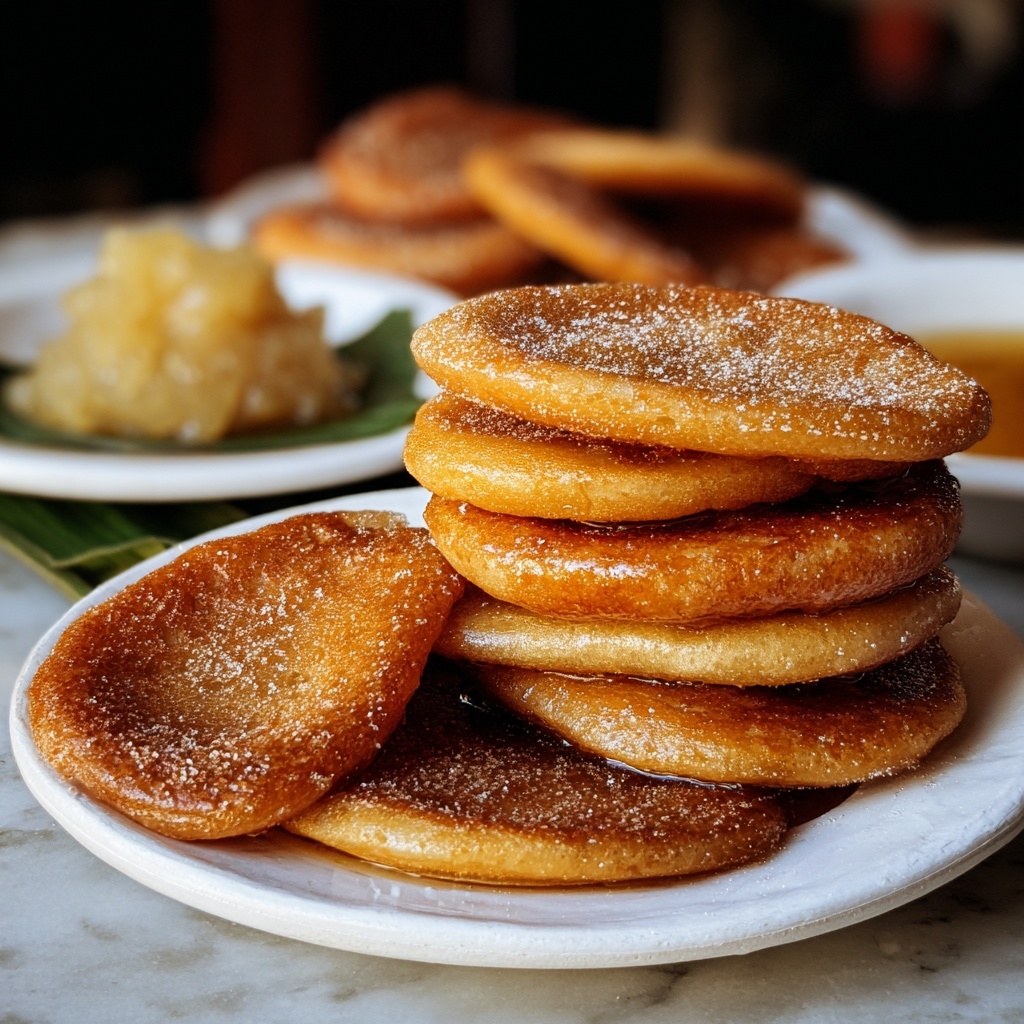
Keep it classic with a generous dusting of powdered sugar, or spice things up by serving with a side of mango chutney or a drizzle of honey. A light sprinkle of cinnamon powder over the powdered sugar can also add a lovely twist that complements the warm nutmeg flavor inside.
Side Dishes
Haitian beignets shine alongside fresh fruit like pineapple or sliced bananas. They also pair beautifully with a cup of rich coffee or a creamy hot chocolate, turning a simple snack into a warming Caribbean-inspired treat. For a brunch spread, consider serving with fresh fruit preserves or a yogurt dip for balanced flavors.
Creative Ways to Present
Transform these humble treats into a delightful dessert platter by layering them with fresh berries and a scoop of vanilla ice cream. You could also turn the Haitian Beignets Recipe into bite-sized party favors by skewering mini beignets with fruit and a dusting of chocolate powder for an eye-catching presentation.
Make Ahead and Storage
Storing Leftovers
Although best enjoyed fresh, leftover Haitian beignets can be stored in an airtight container at room temperature for up to 24 hours. Keep in mind that they lose their initial crispness but will remain flavorful and soft.
Freezing
To freeze, arrange cooled beignets in a single layer on a baking sheet and flash freeze until solid. Then transfer them to a freezer-safe bag or container. They keep well for up to two months and can be fried or reheated directly from frozen.
Reheating
For the best texture when reheating, warm the beignets in a preheated oven at 350°F for about 5-7 minutes. This revives their crisp exterior and warms them through without making them greasy or heavy. Avoid microwaving, which can make them soggy.
FAQs
What makes Haitian beignets different from French beignets?
Haitian beignets typically have a denser texture and are seasoned with warm spices like nutmeg, giving them a unique Caribbean flair. In contrast, French beignets are usually lighter and fluffier, often shaped differently and flavored more simply.
Can I substitute evaporated milk with regular milk?
Yes, regular milk can be used in place of evaporated milk, but evaporated milk adds a richer, creamier texture and a slight caramel flavor that enhances the beignets’ taste.
Is it necessary to maintain the oil temperature precisely?
Maintaining oil between 350°F and 365°F is essential for perfectly cooked beignets. If the temperature is too low, they absorb excess oil and become greasy; too high, and they brown too quickly without cooking through.
Can I add other spices besides nutmeg?
Absolutely! Cinnamon, allspice, or even a dash of ginger can complement the Haitian Beignets Recipe well, providing variations that reflect your personal taste preferences.
How do I know when the beignets are done frying?
They should be puffed up with a golden-brown color on all sides, usually after about 2 to 3 minutes per side. Remove carefully and allow a moment to drain excess oil before dusting with sugar.
Final Thoughts
This Haitian Beignets Recipe is a wonderful way to bring a slice of Haitian culture into your kitchen and heart. With its inviting aroma, delightful texture, and sweet finish, it’s simply impossible not to fall in love with every bite. Whether you’re new to Caribbean cooking or a seasoned foodie, these beignets promise not only easy preparation but pure, joyful deliciousness. Give it a try and watch as they become a beloved staple in your recipe collection.
Print
Haitian Beignets Recipe
- Prep Time: 20 minutes
- Cook Time: 15 minutes
- Total Time: 35 minutes
- Yield: 20 beignets
- Category: Dessert
- Method: Frying
- Cuisine: Haitian
- Diet: Vegetarian
Description
Haitian Beignets are a traditional Caribbean dessert featuring light, fluffy fried dough squares dusted generously with powdered sugar. Crispy on the outside and soft inside, these sweet treats are perfect for breakfast or as a delightful snack.
Ingredients
Dry Ingredients
- 3 cups all-purpose flour
- 1/4 cup granulated sugar
- 1 tablespoon baking powder
- 1/2 teaspoon salt
- 1/2 teaspoon ground nutmeg (optional)
Wet Ingredients
- 2 large eggs
- 1 cup evaporated milk
- 1 teaspoon vanilla extract
- 2 tablespoons unsalted butter, melted
For Frying and Serving
- 2 to 3 cups vegetable oil for frying
- 1 cup powdered sugar for dusting
Instructions
- Prepare Dry Ingredients: In a large mixing bowl, whisk together the all-purpose flour, granulated sugar, baking powder, salt, and optional ground nutmeg to evenly combine all dry components.
- Mix Wet Ingredients: In a separate bowl, beat the eggs thoroughly, then add the evaporated milk, vanilla extract, and melted unsalted butter. Whisk until the mixture is smooth and well combined.
- Combine to Form Dough: Pour the wet ingredients into the dry ingredients and mix gently until a soft dough forms. If the dough feels too sticky to handle, incorporate additional flour one tablespoon at a time until it becomes manageable and no longer overly sticky.
- Roll and Cut Dough: Lightly flour a clean surface and roll out the dough to approximately 1/2-inch thickness. Using a knife or pastry cutter, cut the dough into 2-inch squares or rectangles to create the shape of the beignets.
- Heat Oil: In a deep heavy-bottomed pot, heat vegetable oil to 350°F (175°C). It’s important to maintain this temperature for proper frying and texture.
- Fry Beignets: Carefully place the dough pieces into the hot oil in small batches to avoid overcrowding. Fry them for 2 to 3 minutes on each side or until they turn golden brown and puff up nicely, turning once during cooking.
- Drain and Dust: Using a slotted spoon, remove the beignets from the oil and drain them on paper towels to remove excess oil. While still warm, generously dust the beignets with powdered sugar.
- Serve Warm: Serve the Haitian Beignets warm to fully enjoy their crisp exterior and soft, sweet interior.
Notes
- Maintain the oil temperature strictly between 350°F and 365°F for even frying and optimum puffiness.
- Do not overcrowd the frying pot, as this lowers the oil temperature and results in greasy, soggy beignets.
- Best enjoyed fresh on the day they are made for maximum crispness and flavor.