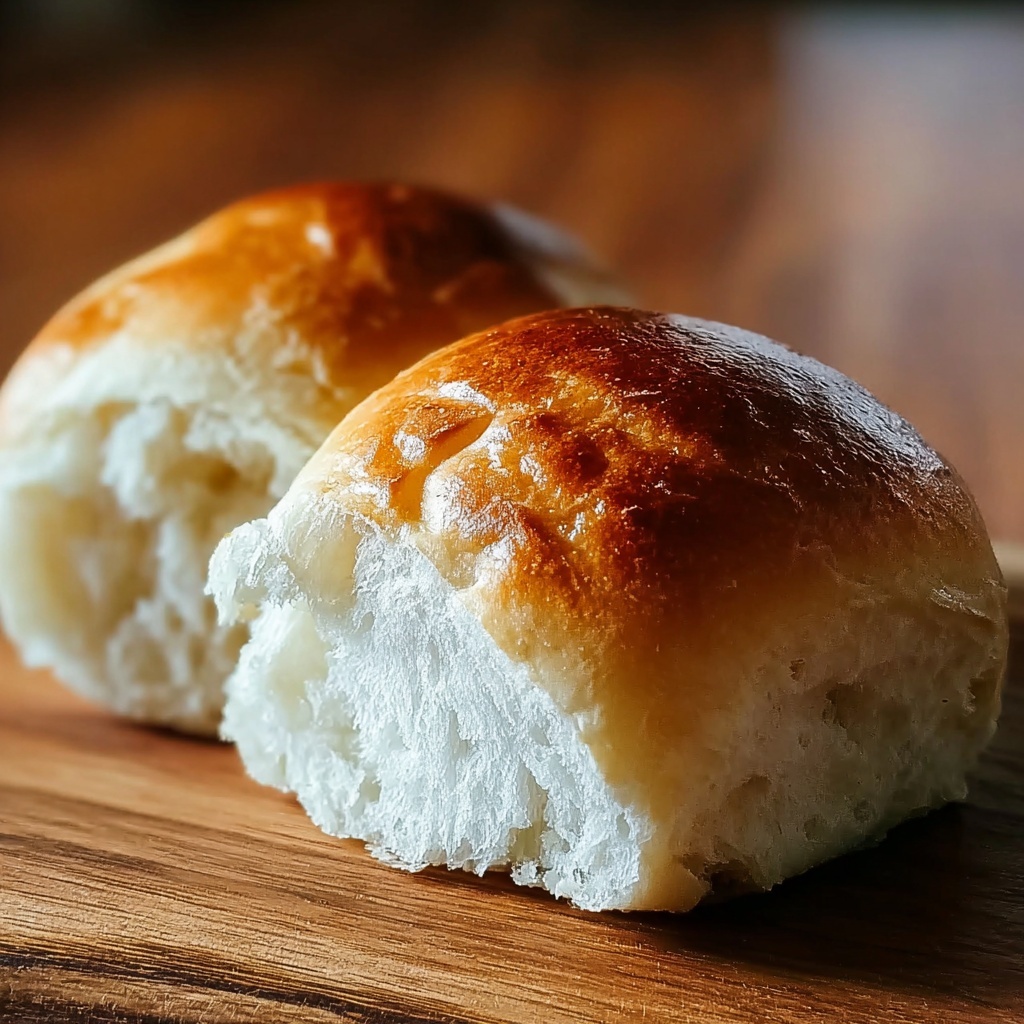
If you’ve ever dreamed of enjoying freshly baked bread wafting through your kitchen, then this Easy Homemade White Bread Recipe is just the ticket. It’s a simple, comforting loaf that fills your home with that irresistible aroma only homemade bread can bring. The soft, tender crumb pairs beautifully with anything from a swipe of butter to a hearty sandwich. Trust me, once you try this recipe, you’ll understand why making bread at home is such a beloved tradition.
Ingredients You’ll Need
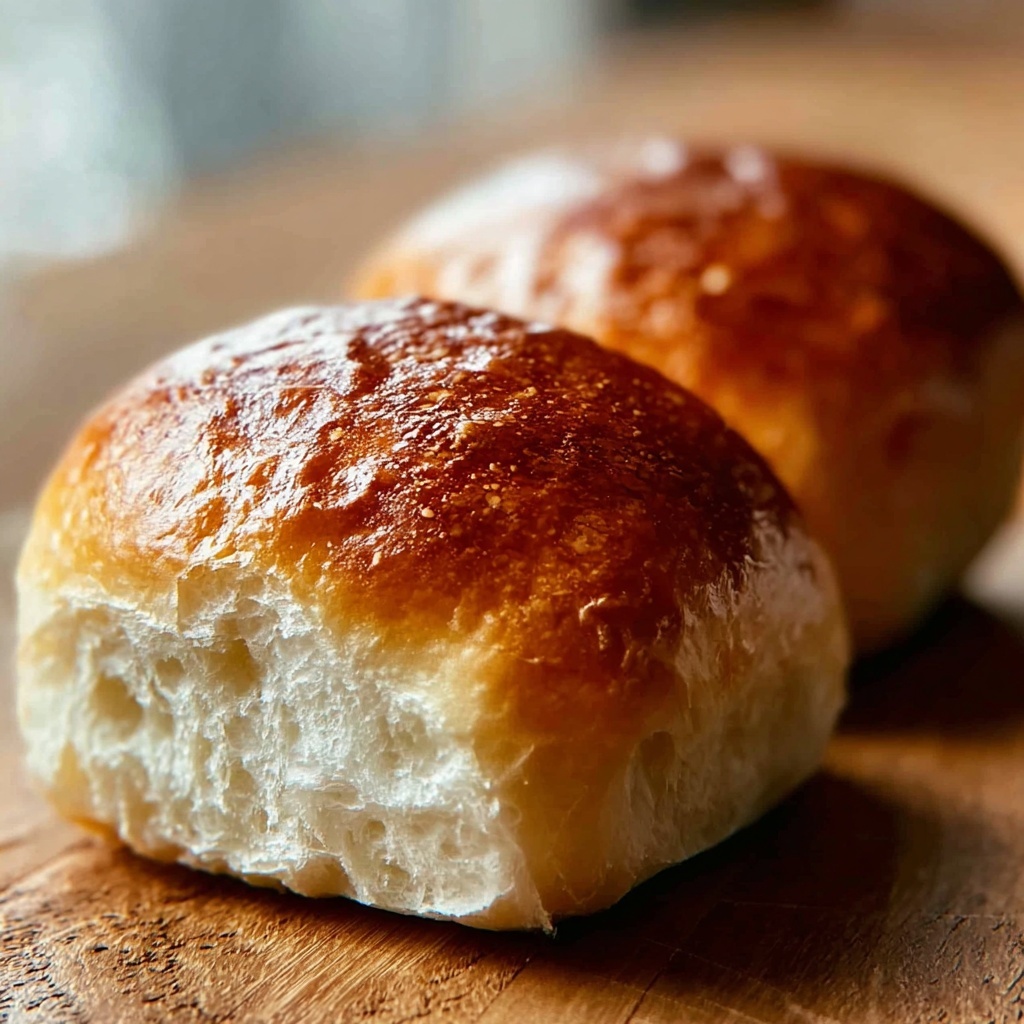
This recipe calls for a handful of simple staples that you probably already have on hand. Each ingredient plays a starring role: from the flour that gives structure, to the warm water activating our yeast, and the melted butter adding rich flavor and softness.
- 2 ½ cups all-purpose flour: Provides the framework for your loaf; be sure to have some extra for kneading to keep it from sticking.
- 1 packet active dry yeast (2 ¼ teaspoons): The magical ingredient that makes your bread rise and become delightfully fluffy.
- 1 tablespoon sugar: Feeds the yeast and adds a touch of sweetness for balance.
- 1 teaspoon salt: Brings out the flavor and controls yeast activity.
- 1 cup warm water (110°F/45°C): Activates the yeast and enables that perfect dough texture.
- 2 tablespoons unsalted butter (melted): Adds richness and helps keep your bread tender.
- 1 tablespoon vegetable oil: Used for greasing the bowl and loaf pan to prevent sticking.
How to Make Easy Homemade White Bread Recipe
Step 1: Activate the Yeast
Begin by combining the warm water, sugar, and yeast in a small bowl. Stir gently, then let this mixture sit for 5 to 10 minutes. You’ll know it’s ready when it becomes frothy and bubbly, signaling that the yeast is alive and kicking – a crucial step to a successful loaf.
Step 2: Mix the Dough
In a large mixing bowl, whisk together the flour and salt. Make a well in the center and pour in your frothy yeast mixture along with the melted butter. Stir with a wooden spoon or your hands until the ingredients begin to come together, forming a rough dough.
Step 3: Knead the Dough
Lightly flour your work surface and turn out the dough. Knead it for 8 to 10 minutes until it feels smooth and elastic. If it’s a little sticky, sprinkle on more flour carefully – you want the dough to be soft but manageable. This kneading develops the gluten that gives bread its structure and chew.
Step 4: First Rise
Grease a large bowl with vegetable oil and place your kneaded dough inside. Turn it over so it’s coated with oil, then cover with a clean kitchen towel. Let it rise somewhere warm and draft-free until it doubles in size, usually about 1 to 1.5 hours. This rise is where the magic of fermentation happens, creating those lovely air pockets inside the bread.
Step 5: Shape the Dough
After the dough has puffed up, gently punch it to release the air. Turn it out onto your floured surface again and shape it into a loaf by folding the edges inward and rolling it up tightly. Place it seam-side down into a greased 9×5-inch loaf pan. This shaping is key for the loaf’s classic form and crumb texture.
Step 6: Second Rise
Cover the loaf pan loosely with a towel and let the bread rise again for about 30 to 40 minutes. It should rise until it’s about an inch above the pan’s edge. This second fermentation will give your bread a light, airy crumb once baked.
Step 7: Bake the Bread
Preheat your oven to 375°F (190°C). Bake the loaf for 25 to 30 minutes until the crust turns golden brown. For a perfect check, tap the bottom of the loaf—it should sound hollow. If you have a kitchen thermometer, the internal temperature should reach about 190°F (88°C).
Step 8: Cool the Bread
Remove the bread from the oven and let it cool in the pan for 10 minutes before transferring it to a wire rack. Cooling completely ensures that the bread finishes cooking evenly and holds its shape when sliced. Then comes the joyful moment: slicing into your homemade creation.
How to Serve Easy Homemade White Bread Recipe
Garnishes
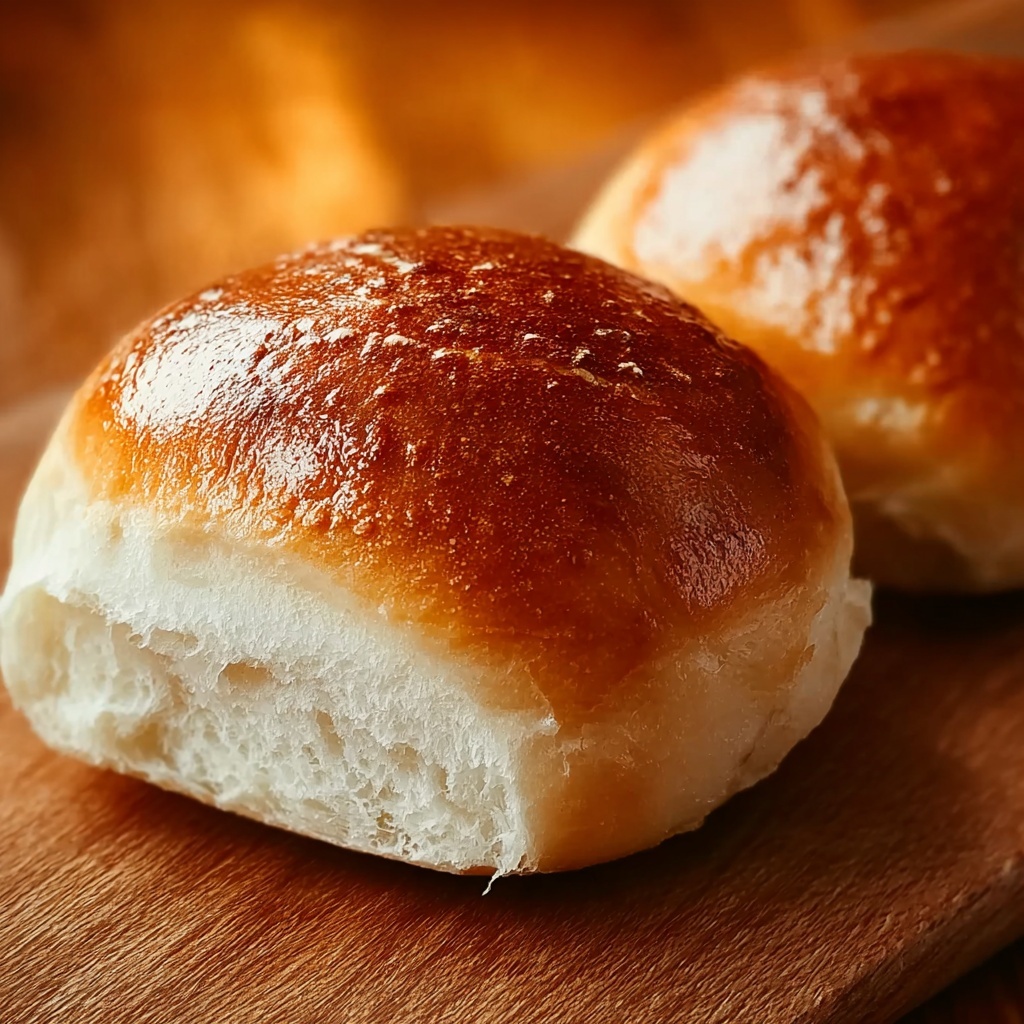
While this bread shines on its own, a pat of melted butter or a drizzle of honey takes it up a notch. Try adding a sprinkle of sea salt or a smear of herb-infused olive oil for a gourmet touch that’s easy to achieve.
Side Dishes
This bread pairs beautifully alongside soups, stews, or a fresh salad. Its soft texture holds up nicely under hearty ingredients, making it excellent for sandwiches, grilled cheese, or dipping into warm broths.
Creative Ways to Present
For gatherings, slice your loaf and serve with a variety of spreads, cheeses, and charcuterie for a DIY bread board. Toasted slices with avocado and a sprinkle of chili flakes bring a modern twist perfect for brunch. You can even turn the bread into croutons or breadcrumbs for other recipes, ensuring none of your work goes to waste.
Make Ahead and Storage
Storing Leftovers
Place leftover bread in a paper bag or loosely wrapped in a cloth for up to two days at room temperature to maintain its crust and softness. Avoid plastic bags unless you want your crust to become soft and chewy overnight.
Freezing
This bread freezes wonderfully. Slice it first if you want quick thawing portions, then wrap tightly in plastic wrap followed by foil or a freezer-safe bag. Frozen bread can last up to three months without losing its texture or flavor.
Reheating
To revive your bread, toast individual slices or warm the whole loaf in the oven at 350°F (175°C) for about 10 minutes. This restores the crust’s crunch while keeping the crumb soft. Microwaving is faster but may make it chewy, so use judiciously.
FAQs
Can I use bread flour instead of all-purpose flour for this recipe?
Absolutely! Bread flour has a higher protein content which can result in a chewier, more structured loaf. You might notice a slightly different texture, but it’s delicious either way.
What if my dough doesn’t rise?
If your dough isn’t rising, it might be due to inactive yeast or water that’s too hot or too cold. Always use fresh yeast and make sure your water is around 110°F (45°C) to keep the yeast happy.
Can I add herbs or other flavorings to this white bread?
Definitely! Adding fresh herbs like rosemary or thyme, garlic powder, or even a bit of grated cheese can personalize your loaf and bring a unique twist to this classic recipe.
Is there a way to make this bread gluten-free?
This recipe relies on gluten for structure, so a 1:1 substitution won’t work. But you can experiment with gluten-free bread mixes and yeast. Just remember to adjust kneading and rising times accordingly.
How long will the bread keep fresh once baked?
Freshly baked bread is best enjoyed within two days for optimal flavor and texture. Beyond that, it may start to stale or dry out unless stored properly or frozen.
Final Thoughts
There’s something truly special about making your own loaf of bread from scratch, and this Easy Homemade White Bread Recipe makes that delight completely achievable. It’s straightforward, satisfying, and genuinely delicious. Grab your ingredients and start baking—you’ll be amazed at how quickly this humble loaf becomes your new favorite kitchen accomplishment.
Print
Easy Homemade White Bread Recipe
- Prep Time: 20 minutes
- Cook Time: 30 minutes
- Total Time: 1 hour 50 minutes
- Yield: 1 loaf (about 10-12 slices)
- Category: Bread
- Method: Baking
- Cuisine: American
Description
This easy homemade white bread recipe yields a soft, fluffy loaf perfect for sandwiches or toast. Made with simple ingredients and straightforward steps, it guides you through activating yeast, kneading dough, letting it rise twice, and baking to golden perfection in under an hour.
Ingredients
For the Dough
- 2 ½ cups all-purpose flour (plus extra for kneading)
- 1 packet active dry yeast (2 ¼ teaspoons)
- 1 tablespoon sugar
- 1 teaspoon salt
- 1 cup warm water (110°F / 45°C)
- 2 tablespoons unsalted butter (melted)
For Greasing
- 1 tablespoon vegetable oil (or more for greasing)
Instructions
- Activate the yeast: In a small bowl, combine 1 cup warm water, 1 tablespoon sugar, and 2 ¼ teaspoons active dry yeast. Stir gently and let it sit for 5-10 minutes until frothy and bubbly, indicating the yeast is active.
- Mix the dough: In a large mixing bowl, combine 2 ½ cups all-purpose flour and 1 teaspoon salt. Make a well in the center and pour in the yeast mixture and 2 tablespoons melted unsalted butter. Stir with a wooden spoon or hands until the dough starts to come together.
- Knead the dough: Transfer the dough to a floured surface and knead for 8-10 minutes until smooth and elastic. Add a little extra flour if dough is too sticky, but avoid adding too much to keep the bread soft.
- Let the dough rise: Lightly grease a large bowl with vegetable oil and place the dough inside, turning to coat it lightly. Cover with a clean kitchen towel and let it rise in a warm, draft-free place for 1 to 1.5 hours until doubled in size.
- Shape the dough: After the first rise, punch down the dough to release air. Shape it into a loaf by folding edges inward and rolling tightly. Place the shaped dough into a greased 9×5-inch loaf pan.
- Second rise: Cover the loaf pan with a towel and let the dough rise again for 30-40 minutes until it rises about 1 inch above the pan edge.
- Bake the bread: Preheat the oven to 375°F (190°C). Bake the bread for 25-30 minutes until the crust is golden brown and the loaf sounds hollow when tapped. The internal temperature should read about 190°F (88°C) if using a thermometer.
- Cool the bread: Let the bread cool in the pan for 10 minutes, then transfer to a wire rack to cool completely before slicing.
- Slice and serve: Enjoy your homemade white bread with butter, jam, or as sandwich bread.
Notes
- Ensure the water is warm, not hot, to properly activate the yeast without killing it.
- Do not add too much flour while kneading to maintain a soft crumb.
- Allowing the dough to rise twice improves texture and flavor.
- Check the internal temperature to avoid under or overbaking.
- Store bread in an airtight container to keep it fresh longer.