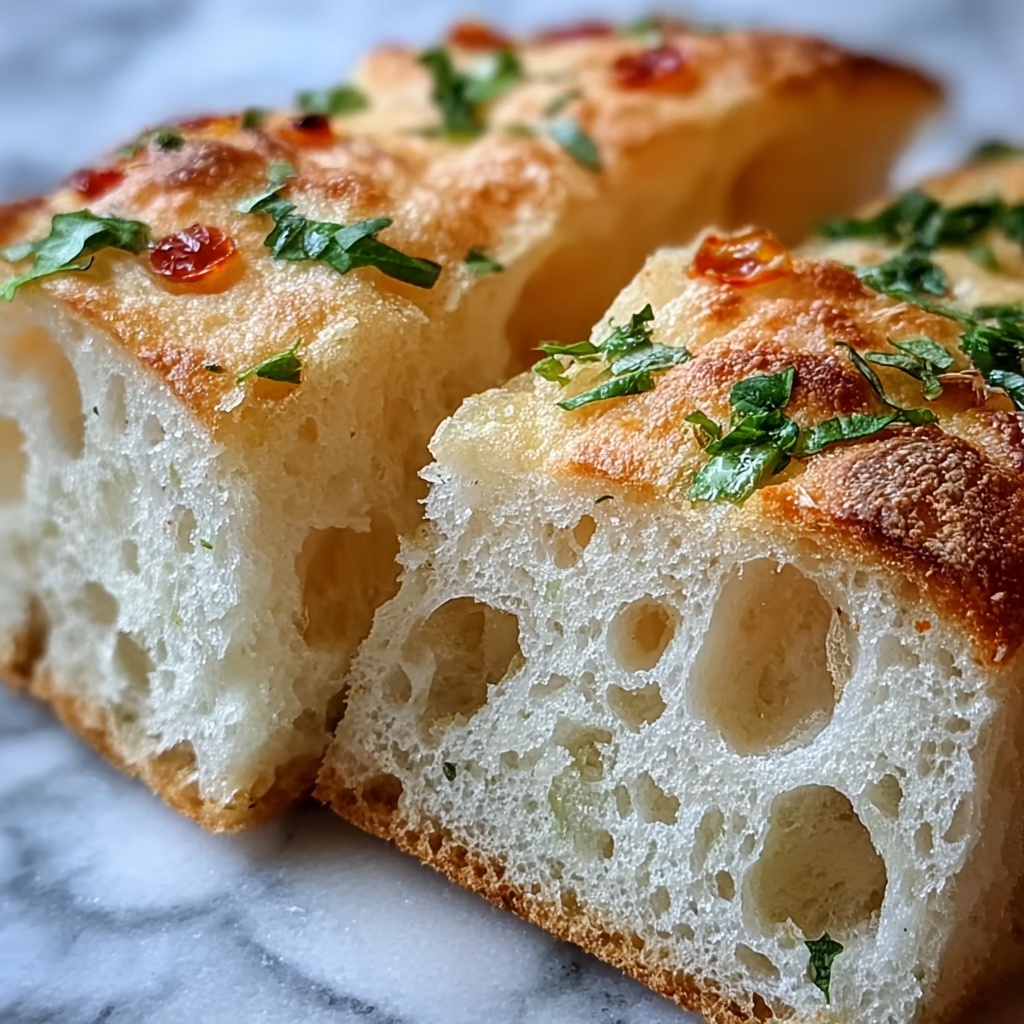
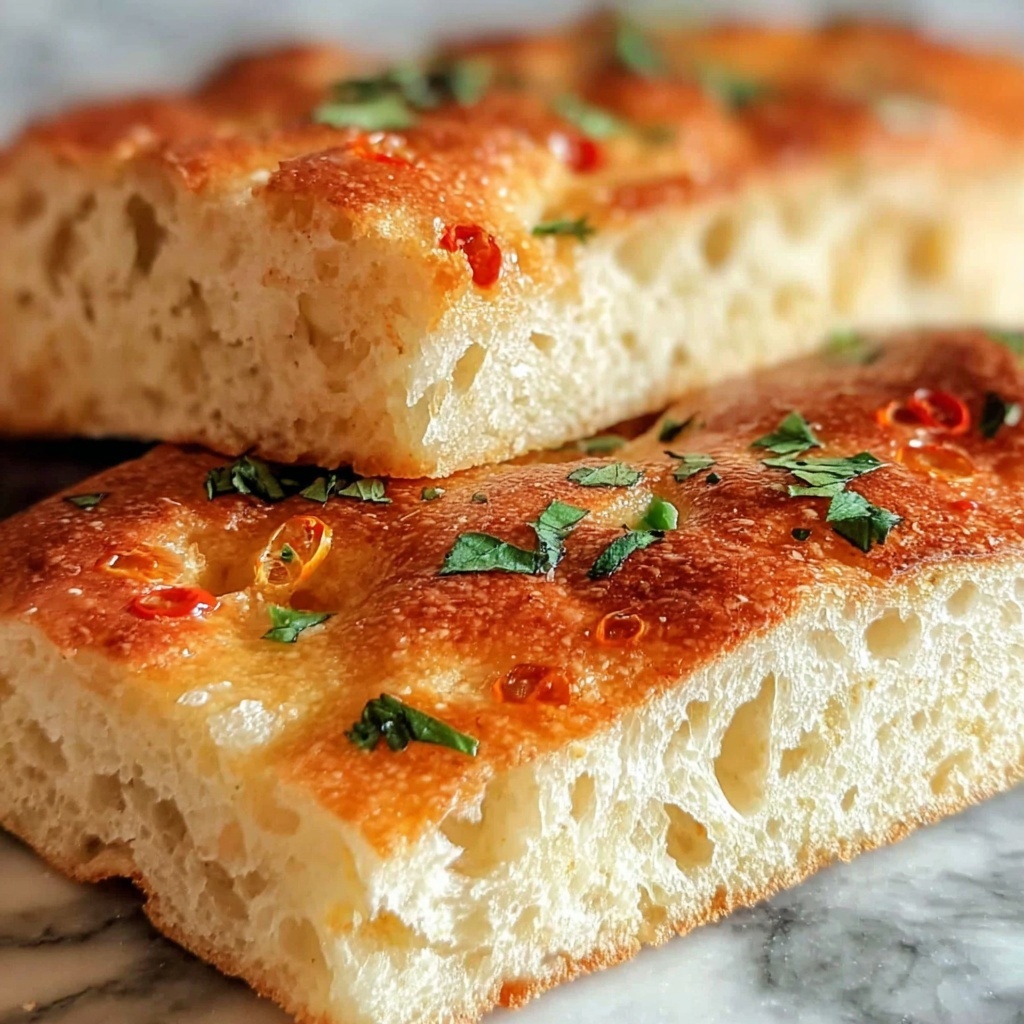
If you have ever dreamed of biting into soft, airy bread with a delightfully crisp crust, then you are about to fall in love with The Best Ciabatta Recipe. This Italian classic, celebrated for its rustic charm and characteristic open crumb, is surprisingly simple to make at home with just a handful of basic ingredients and a little patience. From the tangy, slowly fermented sponge to the wet, sticky dough that creates those perfect holes, this recipe will bring the artisan bakery right into your kitchen. Get ready to enjoy the warm aroma and satisfying crunch that only truly homemade ciabatta can deliver.
Ingredients You’ll Need
Every ingredient in The Best Ciabatta Recipe plays a vital role in building its irresistible flavor and texture. The beauty is in the simplicity; these essentials combine to give you that perfect balance of crusty exterior and soft, porous interior.
- All-purpose flour: The foundation for structure and chewiness; using good quality flour makes a noticeable difference.
- Water: Room temperature and lukewarm water hydrate the flour for fermentation and dough consistency.
- Active dry yeast: Key to the fermentation process, giving the bread its rise and lovely flavor development.
- Salt: Enhances flavor and controls yeast activity, preventing over-fermentation.
- Sugar: A pinch to feed the yeast and balance the bread’s flavor.
- Olive oil: Adds subtle richness and helps create a tender crumb while improving shelf life.
How to Make The Best Ciabatta Recipe
Step 1: Prepare the Biga (Sponge)
This first step is where the magic of slow fermentation begins. Mix together flour, water at room temperature, and a tiny amount of yeast to form the sponge, then cover and let it rest for 8 to 12 hours. This rest time develops flavor and creates the depth that sets this bread apart from quick-rise versions.
Step 2: Mix the Dough
Add the sponge to a larger bowl with the remaining flour, salt, sugar, yeast, lukewarm water, and olive oil. Stir until everything comes together in a very sticky dough. Resist the urge to add extra flour here – The Best Ciabatta Recipe relies on that high hydration for its signature open holes.
Step 3: Knead Until Elastic
Use a stand mixer with a dough hook on medium speed for about 7 to 8 minutes or knead by hand for 10 minutes. The dough should feel stretchy and sticky, which indicates good gluten development. Cover and let it rise until it doubles in size, about 1.5 to 2 hours.
Step 4: Shape the Loaves
Dust your work surface lightly with flour and carefully transfer the dough without deflating it. Divide it into two pieces and gently shape into ovals or rectangles. Place them on a parchment-lined baking sheet, dust with more flour, cover with a kitchen towel, and let rise again for about 30 to 45 minutes.
Step 5: Bake to Perfection
Preheat your oven to 450°F (230°C) with a baking stone or inverted baking sheet inside, plus a shallow pan on the lower rack. Transfer the loaves on parchment to the hot surface, then quickly pour hot water into the pan to create steam. This steam helps develop that irresistible crust. Bake for 20-25 minutes until golden and hollow-sounding when tapped. Let cool completely before slicing to enjoy the full texture.
How to Serve The Best Ciabatta Recipe
Garnishes
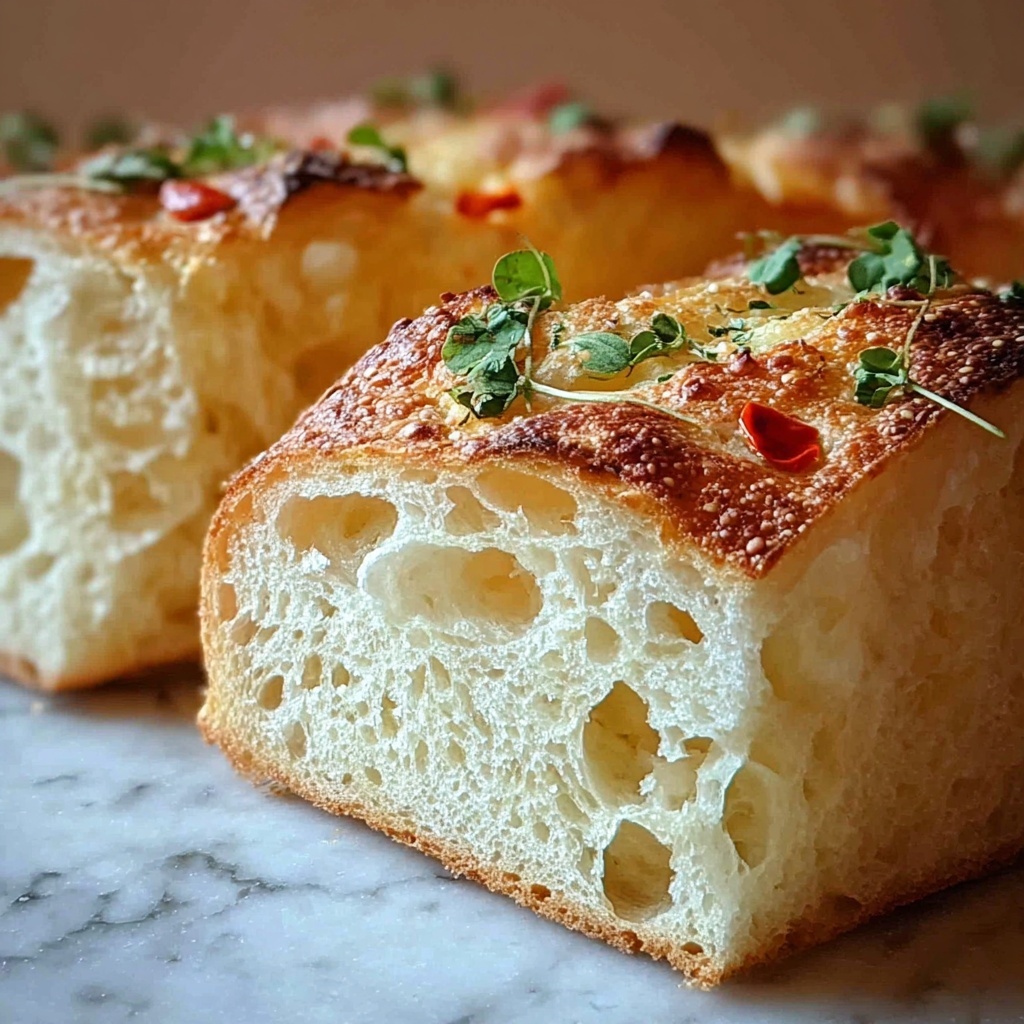
Simple touches like a brush of olive oil and a sprinkle of flaky sea salt on fresh slices can elevate your ciabatta into something truly special. Fresh herbs, like rosemary or thyme, pressed into the dough or added post-bake, also bring an aromatic twist that complements the bread’s rustic character.
Side Dishes
This bread shines alongside vibrant salads, hearty soups, or classic Italian fare like bruschetta topped with ripe tomatoes and basil. Its airy crumb soaks up olive oil and sauces beautifully, making it a trusty companion at any meal.
Creative Ways to Present
Beyond just slicing, try using The Best Ciabatta Recipe to make sandwiches bursting with fresh ingredients or tear it into chunks for an indulgent fondue night. Toasted slices with garlic butter can also transform this bread into an unforgettable appetizer.
Make Ahead and Storage
Storing Leftovers
Keep leftover ciabatta wrapped loosely in a paper bag or cloth to maintain the crust’s crunch while preventing dryness. Stored at room temperature, it lasts 1 to 2 days without losing its wonderful texture.
Freezing
You can freeze whole or sliced ciabatta wrapped tightly in plastic and foil. Properly stored, it will stay fresh for up to 3 months. Thaw at room temperature or in the oven for quick enjoyment.
Reheating
To revive the crust’s crispness and warm the crumb, pop slices or the whole loaf into a preheated oven at 350°F (175°C) for 10 to 15 minutes. Avoid microwaving to prevent sogginess and the loss of that authentic ciabatta texture.
FAQs
Why is the dough so wet and sticky?
The high hydration is essential for creating The Best Ciabatta Recipe’s light, airy crumb with those characteristic holes. While sticky doughs can be intimidating, handling it gently preserves its structure and leads to the best results.
Can I use whole wheat flour instead of all-purpose?
While whole wheat brings a nuttier flavor and more fiber, it can create a denser loaf. For a lighter texture, it’s best to use mostly all-purpose flour or blend the two, adjusting water as the dough may absorb more.
What is the purpose of the biga in this recipe?
The biga, or sponge, provides slow fermentation that deepens flavor and improves the bread’s texture. This step is crucial in elevating simple ingredients into the unforgettable bread you’ll love.
How important is the steam during baking?
Steam is very important as it helps keep the crust moist during the first part of baking, allowing the loaf to expand fully and develop a shiny, crunchy crust—the hallmark of The Best Ciabatta Recipe.
Can I bake this bread without a baking stone?
Yes! An inverted baking sheet in a preheated oven serves as an excellent substitute for a baking stone. Just make sure it’s hot before putting your loaves in for the best oven spring and crust.
Final Thoughts
There’s truly nothing like the feeling of pulling fresh, golden ciabatta out of your own oven. The Best Ciabatta Recipe invites you to slow down, enjoy the process, and share warm, hearty bread with the people you love. It’s more than just bread—it’s a little everyday celebration of Italian tradition right at home. Give it a try and watch this recipe become one of your most cherished kitchen rituals.
Print
The Best Ciabatta Recipe
- Prep Time: 25 minutes (plus 8–12 hours rising and resting time)
- Cook Time: 25 minutes
- Total Time: 10–14 hours (including sponge fermentation and rises)
- Yield: 2 loaves
- Category: Bread
- Method: Baking
- Cuisine: Italian
- Diet: Vegan
Description
This Best Ciabatta Recipe delivers a rustic, crusty Italian bread with a chewy crumb and signature large holes. Using a long-fermented biga sponge and a very wet, sticky dough, this recipe produces two flavorful loaves with an airy texture perfect for sandwiches or dipping. The dough requires minimal handling and relies on steam baking to develop a crisp crust.
Ingredients
For the Sponge (Biga):
- 1 cup all-purpose flour
- ½ cup water (room temperature)
- ⅛ teaspoon active dry yeast
For the Dough:
- all of the sponge
- 2 cups all-purpose flour
- 1 teaspoon salt
- 1 teaspoon sugar
- 1 teaspoon active dry yeast
- ¾ cup water (lukewarm)
- 1 tablespoon olive oil
Instructions
- Make the Sponge: In a medium bowl, stir together 1 cup flour, ½ cup water, and ⅛ teaspoon yeast until combined. Cover and let sit at room temperature for 8–12 hours or overnight to develop flavor.
- Prepare the Dough: In a large mixing bowl, combine the sponge with remaining flour, salt, sugar, yeast, lukewarm water, and olive oil. Mix with a wooden spoon or dough hook until a sticky dough forms. Knead for 7–8 minutes using a stand mixer on medium speed or about 10 minutes by hand, until elastic and very sticky. Cover and let rise for 1½ to 2 hours until doubled.
- Shape the Loaves: Dust a clean surface with flour and gently turn out the dough without deflating. Divide into two equal portions and shape each into a rough oval or rectangle. Transfer to a parchment-lined baking sheet, dust lightly with flour, cover with a clean kitchen towel, and let rise 30–45 minutes.
- Preheat the Oven and Prepare for Baking: Heat the oven to 450°F (230°C). Place a baking stone or inverted baking sheet inside to heat, and set a shallow pan on the lower rack for steam generation.
- Bake the Ciabatta: Transfer the loaves on parchment to the hot baking surface. Quickly pour 1 cup hot water into the shallow pan below to create steam. Bake for 20–25 minutes until the crust is golden and the loaves sound hollow when tapped. Cool completely on a wire rack before slicing.
Notes
- The dough is intentionally very wet and sticky; avoid adding extra flour while kneading to maintain ciabatta’s large, airy holes.
- For enhanced flavor, shaped loaves can be refrigerated for up to 12 hours and baked directly from the fridge.