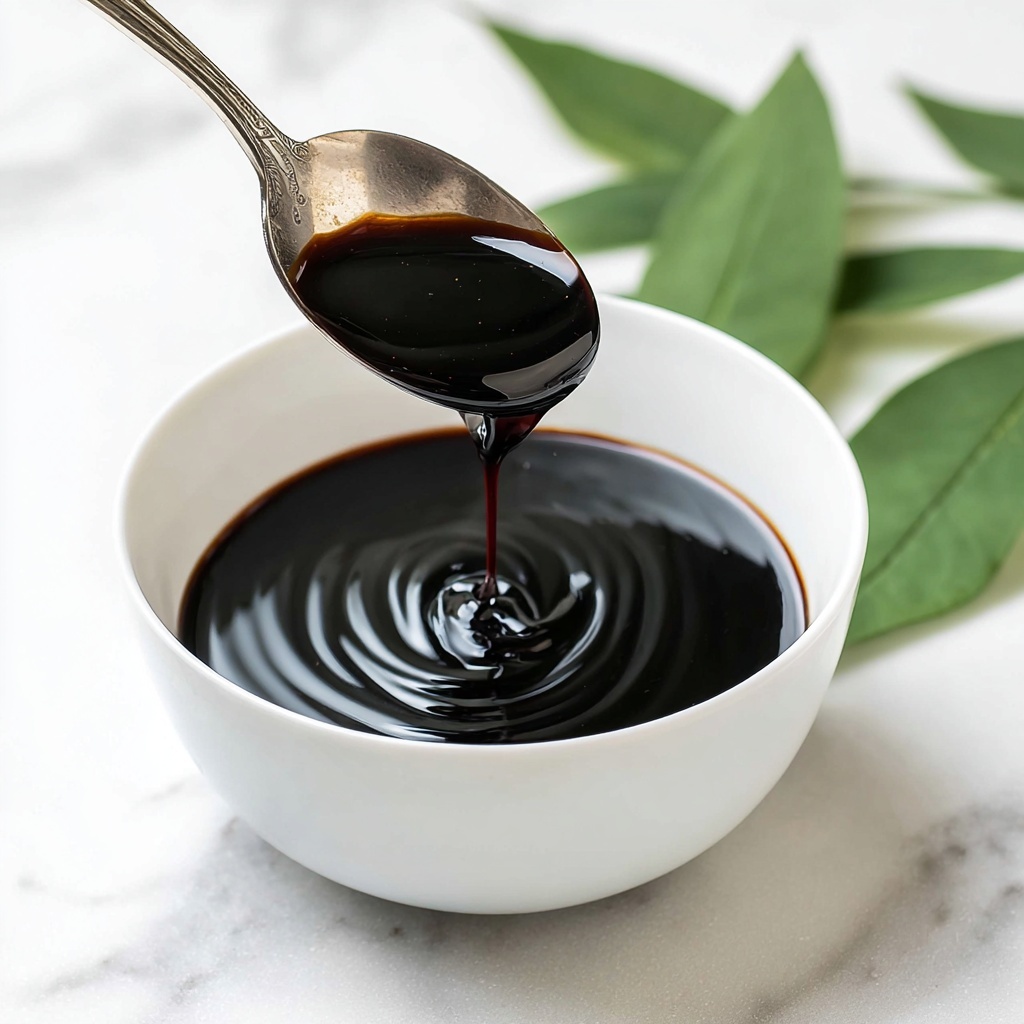
If you’re looking for a simple way to transform ordinary dishes into extraordinary culinary experiences, this Homemade Balsamic Glaze Recipe is an absolute game-changer. It’s a luscious, tangy-sweet syrup that adds depth and a glossy finish to everything it touches. Whether drizzled over roasted veggies, fresh fruit, or grilled meats, this glaze elevates your meals with minimal effort, all thanks to just two humble ingredients. Let me walk you through how to make this kitchen staple that will soon become your secret weapon for flavor-packed dishes.
Ingredients You’ll Need
Getting this homemade glaze just right is all about a few essential ingredients that you likely have on hand. Each one plays a crucial role in balancing sweetness, acidity, and that perfect thick texture you’ll love.
- 1 cup balsamic vinegar: The star ingredient providing a rich, tangy base with natural sweetness and a deep, complex flavor.
- 1/4 cup brown sugar: Adds a mellow caramel-like sweetness and helps create a thicker, glossy texture when reduced.
How to Make Homemade Balsamic Glaze Recipe
Step 1: Combine Ingredients
Start by pouring one cup of balsamic vinegar and a quarter cup of brown sugar into a small saucepan. Stir gently to help the sugar dissolve evenly before heating. This initial step is crucial for creating a smooth consistency later on, so take your time mixing these together well.
Step 2: Simmer to Reduce
Place the saucepan over medium heat and bring the mixture to a gentle simmer. Then, reduce the heat to medium-low to maintain a slow simmer. Keep stirring often to prevent burning or sticking. Over approximately ten minutes, the liquid will reduce by about half, transforming into a syrupy glaze. You’ll notice the bubbles start to linger on the surface rather than popping instantly — that’s your cue the glaze is thickening beautifully.
Step 3: Cool and Adjust Consistency
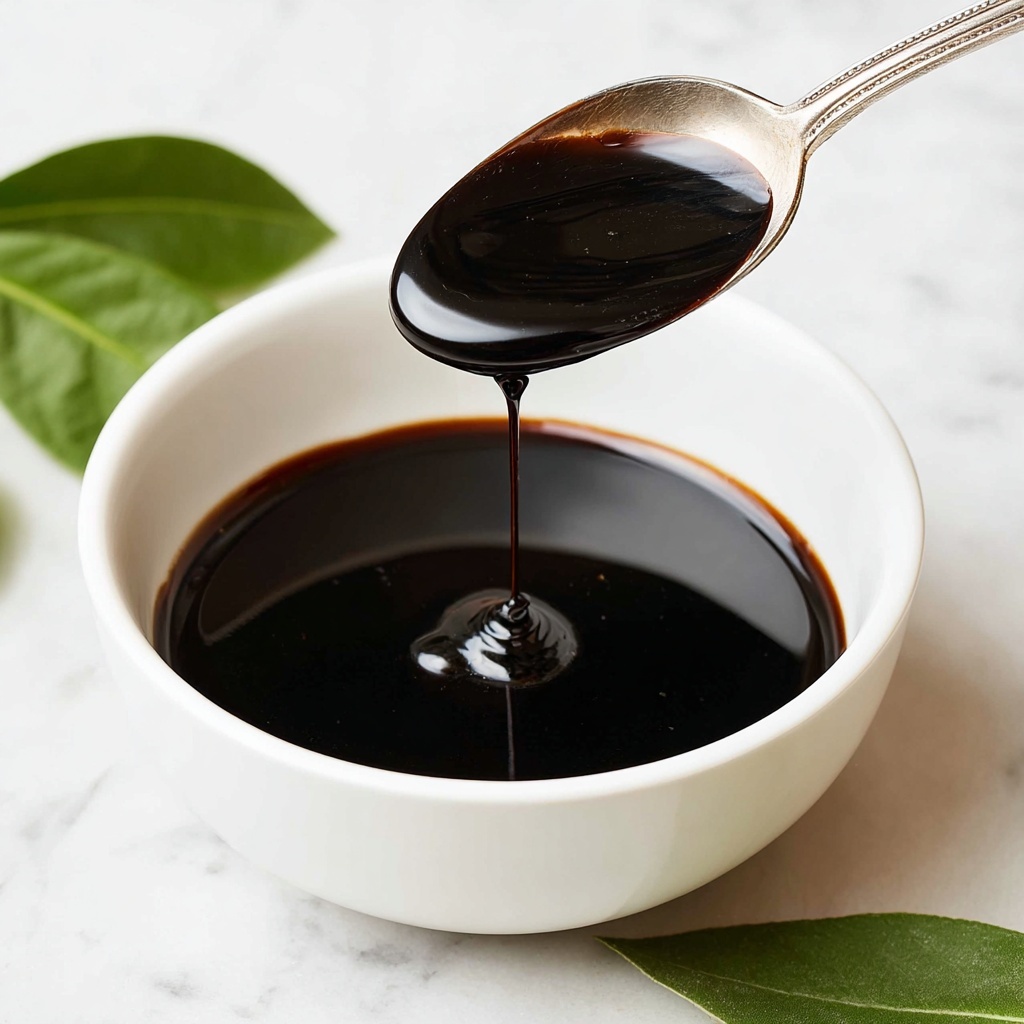
Once reduced, remove the saucepan from heat and allow the balsamic glaze to cool completely. It will continue to thicken as it cools, taking on a luscious texture that clings perfectly to food. If you find it’s too thin, simply return it to a gentle simmer for a bit longer; if it’s too thick, add a splash of water to loosen it up to your liking.
Step 4: Drizzle and Enjoy
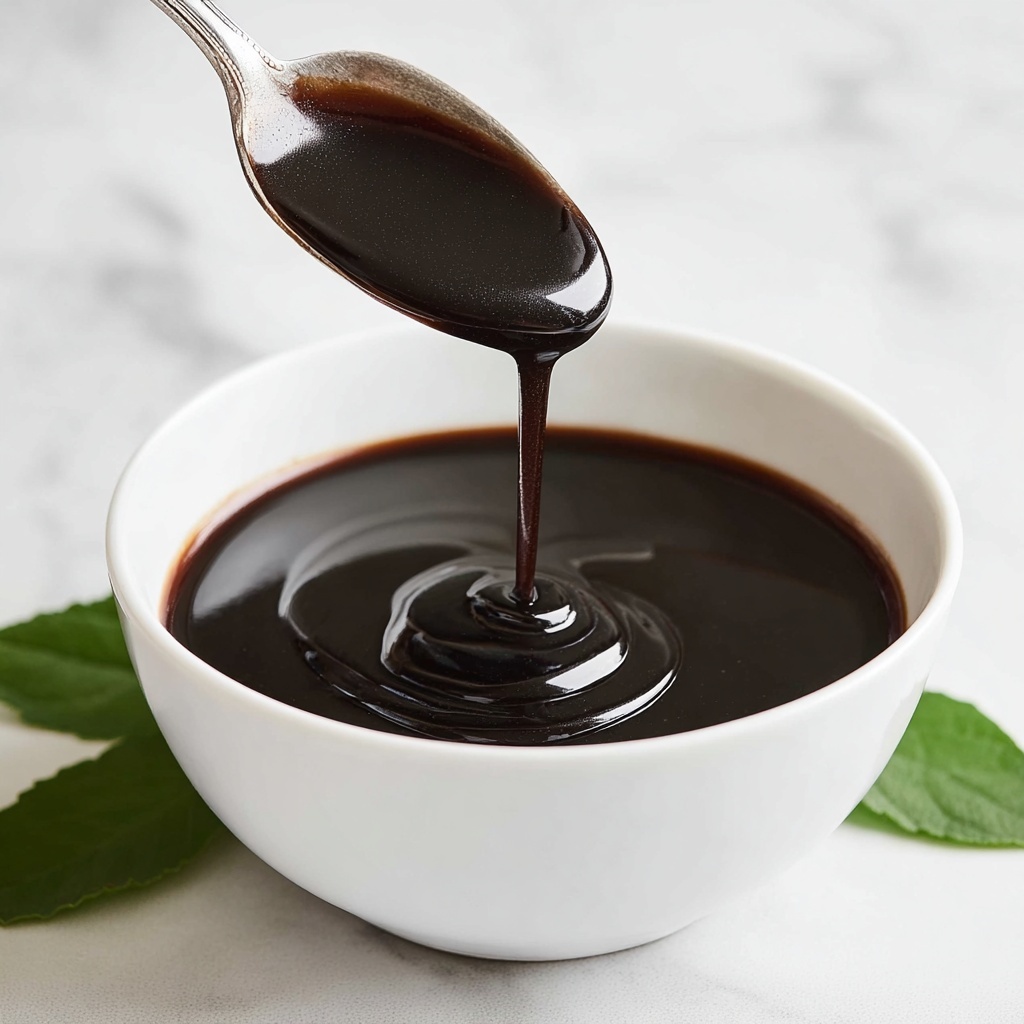
Now the best part: drizzle your shiny, flavorful glaze over salads, grilled vegetables, meats, or even desserts. The versatility of this Homemade Balsamic Glaze Recipe makes it a go-to for adding that flourish of flavor and sophistication to almost anything on your plate.
How to Serve Homemade Balsamic Glaze Recipe
Garnishes
Use your balsamic glaze as a gorgeous finishing touch on dishes. It pairs beautifully with fresh basil leaves, cracked black pepper, or a sprinkle of sea salt, enhancing the glaze’s rich complexity and adding an inviting visual contrast.
Side Dishes
This glaze shines draped over roasted root vegetables like carrots and beets or an elegant side salad with fresh mozzarella and tomatoes. It adds a sweet tang that balances earthy or creamy flavors, turning simple sides into memorable accompaniments.
Creative Ways to Present
Get creative by swirling the glaze on dessert plates under vanilla ice cream, fresh strawberries, or panna cotta. You can also brush it lightly on grilled fruit like peaches or pineapple for a stunning caramelized effect with a sophisticated twist.
Make Ahead and Storage
Storing Leftovers
Your leftover balsamic glaze can be kept in an airtight container or jar in the refrigerator for up to three weeks. As it cools and rests, the flavors deepen even more, so it’s worth making extra to have on hand for quick flavor boosts.
Freezing
While you can freeze balsamic glaze, the texture may change slightly upon thawing and re-heating. To maintain the best quality, it’s preferable to store it chilled and use it fresh from the refrigerator.
Reheating
If your glaze thickens too much in the fridge, gently warm it in a small saucepan over low heat, stirring until it loosens to your desired consistency. Avoid boiling again, as excessive heat can alter the delicate balance of flavors.
FAQs
Can I use regular vinegar instead of balsamic vinegar?
Regular vinegar lacks the complex sweetness and depth balsamic vinegar provides, so the glaze won’t have the same rich flavor or color. For a true balsamic glaze experience, stick with balsamic vinegar.
What if I want a thicker glaze?
Simply simmer the mixture longer until it reaches your preferred thickness. Remember it will also thicken as it cools, so slightly under-reducing before cooling is a good rule of thumb.
Is this glaze vegan and gluten free?
Yes! Since it only contains balsamic vinegar and brown sugar, it’s naturally vegan and gluten free, making it a great option for various dietary preferences.
Can I add flavors to this balsamic glaze?
Absolutely! Try infusing the glaze with fresh herbs like rosemary or thyme during simmering for added complexity. Just strain them out before the glaze cools.
How long does it take to make this glaze?
The entire process typically takes about 10 minutes of active cooking time, making it a quick and easy addition to your cooking routine.
Final Thoughts
This Homemade Balsamic Glaze Recipe is one of those magical kitchen staples that brings elegance and depth to every dish it touches. It’s straightforward to make but adds a wow factor that never fails to impress. Once you try it, you’ll find endless ways to incorporate it into your meals, from salads and veggies to desserts, turning everyday cooking into a delicious adventure. Give it a go and watch your dishes steal the spotlight!
Print
Homemade Balsamic Glaze Recipe
- Prep Time: 0m
- Cook Time: 10m
- Total Time: 10m
- Yield: 4 servings (2 tablespoons each, approx. 1/2 cup total)
- Category: Condiment
- Method: Stovetop
- Cuisine: Italian
Description
This homemade balsamic glaze is a simple, tangy-sweet reduction made by simmering balsamic vinegar and brown sugar until thickened. Perfect for drizzling over salads, grilled vegetables, meats, or desserts, this versatile glaze adds a burst of rich flavor with minimal ingredients and effort.
Ingredients
Ingredients
- 1 cup balsamic vinegar
- 1/4 cup brown sugar
Instructions
- Combine Ingredients: Add the balsamic vinegar and brown sugar to a small saucepot. Stir well to dissolve the sugar completely.
- Simmer Mixture: Place the saucepot over medium heat and bring the mixture up to a simmer. Once simmering, reduce the heat to medium-low and let it simmer gently, stirring often to prevent burning.
- Reduce and Thicken: Continue simmering until the mixture reduces by about half in volume and thickens to a glaze-like consistency, which usually takes around ten minutes. You’ll notice simmering bubbles that linger on the surface rather than popping immediately, indicating readiness.
- Cool the Glaze: Remove the pot from heat and allow the glaze to cool. It will thicken further as it cools. If it is not thick enough, you can simmer again; if too thick, simply thin with a small splash of water.
- Serve and Store: Drizzle the cooled balsamic glaze over your favorite dishes for an added burst of flavor. Store any leftovers in the refrigerator for up to three weeks.
Notes
- Be attentive during simmering to avoid burning the glaze.
- The thickness can be adjusted by further simmering or adding a bit of water.
- Use high-quality balsamic vinegar for the best flavor.
- Refrigerate leftovers and bring to room temperature before using if it hardens too much.